Quick Answer: Keep kids busy on long car rides without screens using printable travel games (road trip bingo, I-spy sheets, license plate trackers), classic car games like 20 Questions and the alphabet game, and a packed activity kit with coloring pages, stickers, and snacks. Introduce something new every 30–45 minutes and plan stretch breaks every 2 hours.
Table of Contents
- Why Long Car Rides Feel So Hard for Kids
- Printable Travel Games That Actually Work
- Classic Screen-Free Car Games Kids Love
- Timing Tricks: Snacks, Stops, and Surprises
- Pack the Perfect Car Activity Kit
- Frequently Asked Questions
If you have ever white-knuckled a six-hour holiday drive while the backseat chorus of “are we there yet?” started at minute twenty, this one is for you. Thanksgiving and Christmas road trips are a special kind of parenting marathon — the car is packed, the snacks are ready, and you are quietly praying the kids stay happy at least until the first rest stop.
Handing over a tablet feels like the easy answer, and for a little while it works. But then the battery dies, siblings fight over turns, or everyone emerges cranky and wired. Screens buy quiet, but rarely peace.
Here is the good news: kids survived long car rides for generations before tablets existed, and the screen-free tricks that worked then still work now — with a few modern upgrades. This guide gives you printable travel games, classic car games, timing strategies, and a packing checklist so your next long drive feels (almost) relaxing.
Why Long Car Rides Feel So Hard for Kids
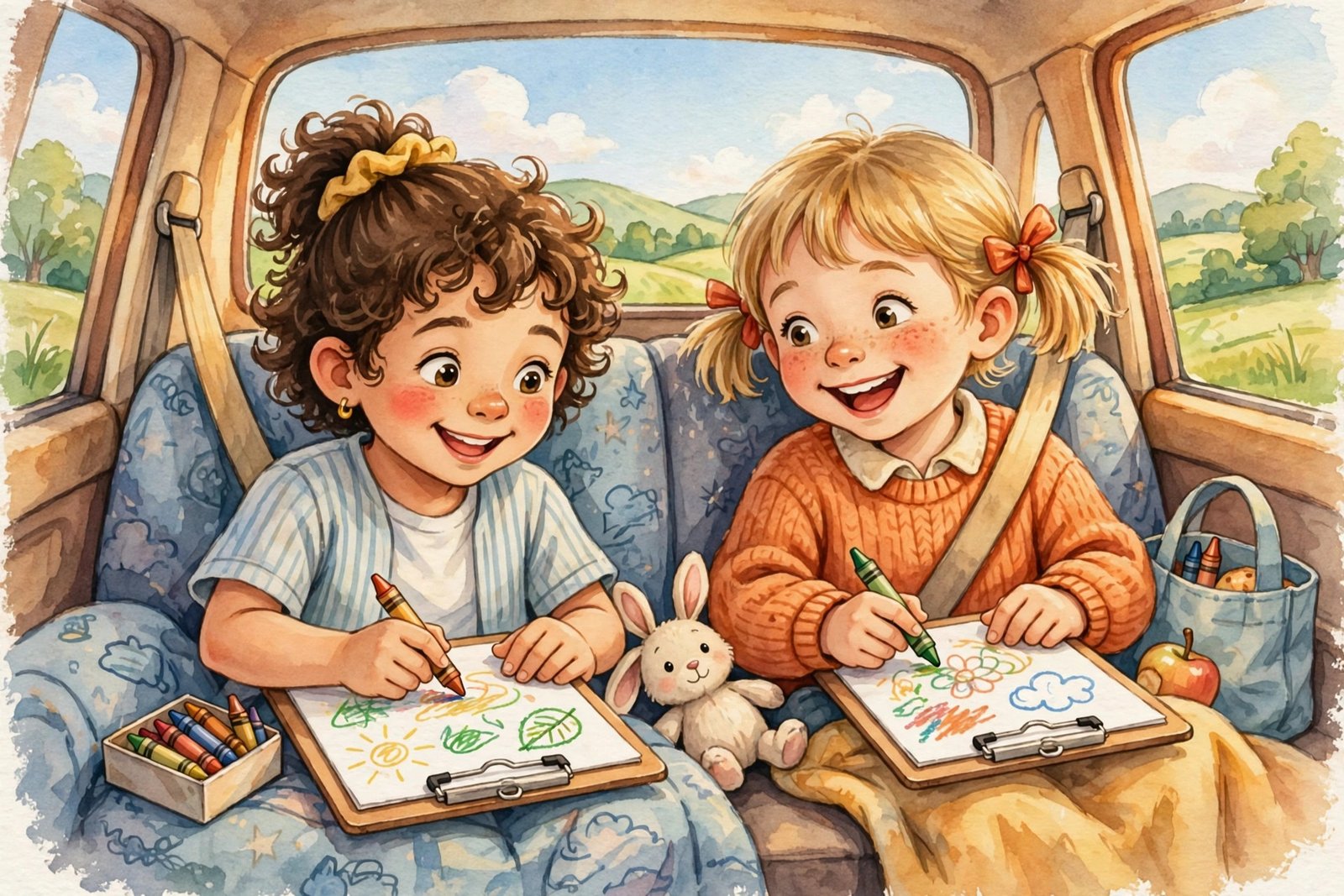
Children are not built to sit still — their bodies want to move and their brains want to explore, and a car seat offers neither. Hours of same-looking highway turn that restlessness into whining, seat-kicking, or full sibling warfare.
Screens seem to solve this, but passive videos come with a cost: overstimulation followed by a crash. That is why the hour after tablet time is often the worst hour of the drive.
What actually works is the opposite of passive: novelty, participation, and rhythm. A new game every half hour, something to spot, color, or count, and tiny surprises spaced across the miles. When kids are actively engaged, time passes faster — for them and for you.
Printable Travel Games That Actually Work
The single best investment you can make before a road trip costs you ten minutes and a few sheets of paper. Print a small stack of travel games the night before you leave, and you have hours of quiet, engaged backseat time.
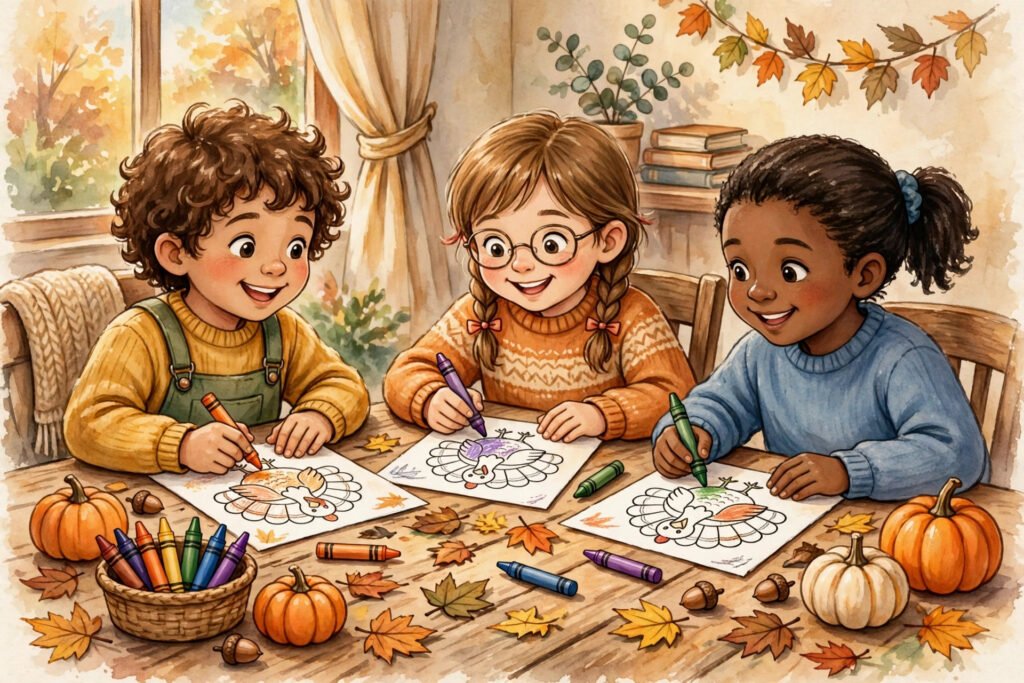
Road trip bingo is the king of car printables. Make or print bingo cards with things kids can spot out the window — a red truck, a cow, a bridge, a gas station, a dog in another car. Hand each child a card and a crayon to mark squares. The first to get five in a row wins a small prize (a sticker works wonders). It turns the whole highway into a game board.
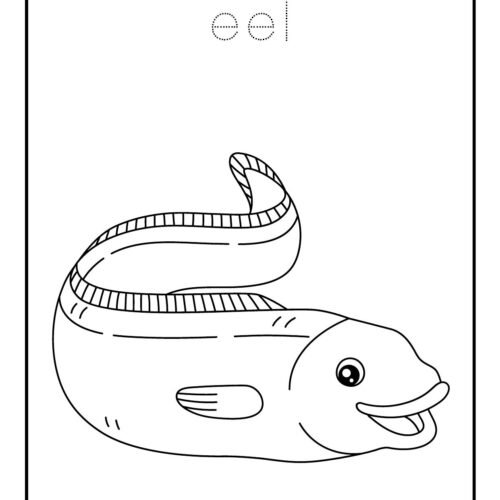
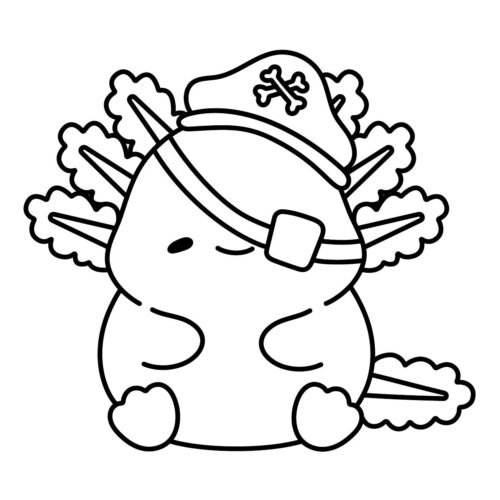
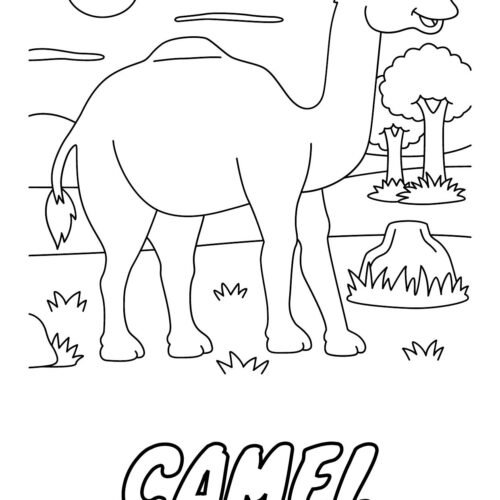
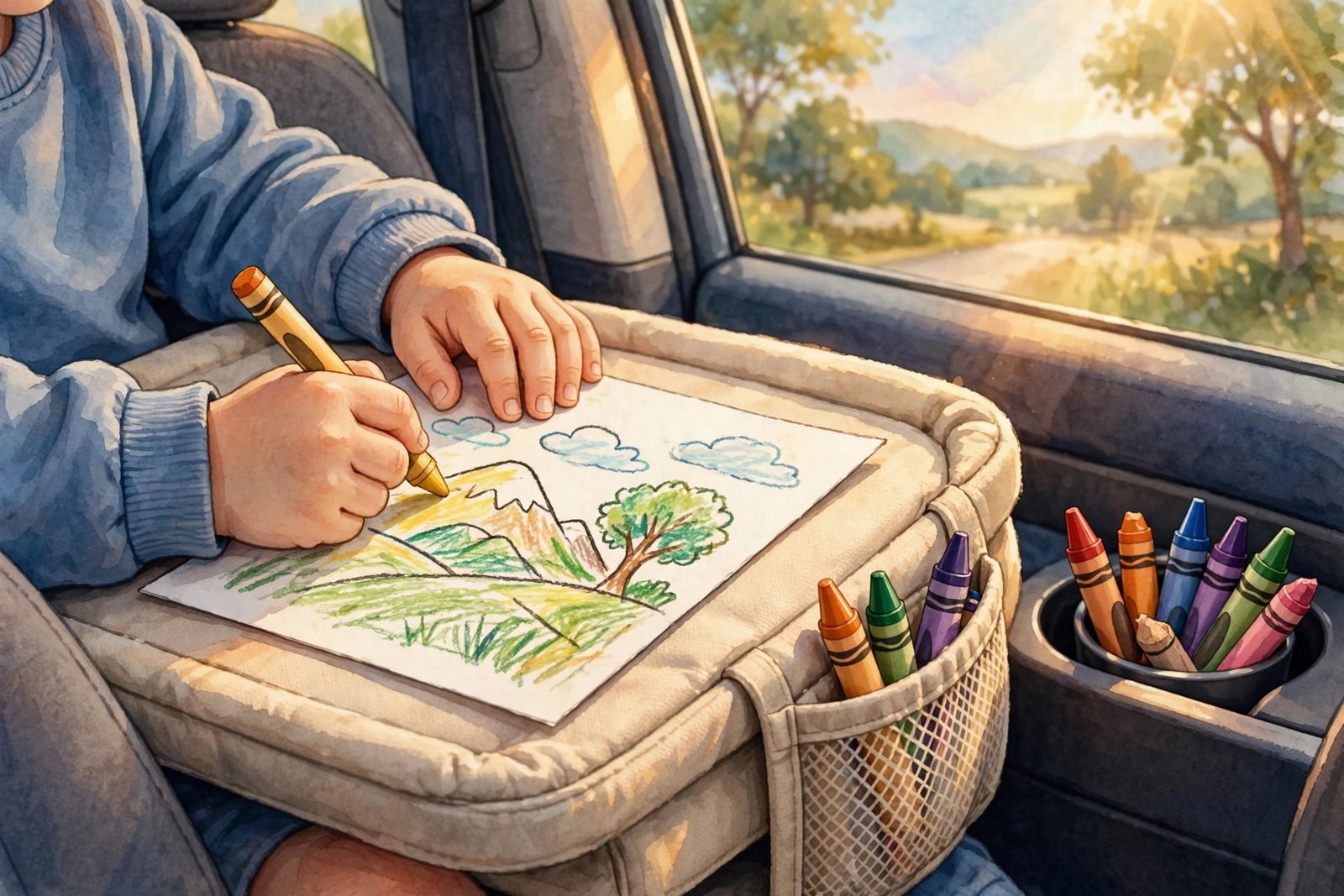
I-spy checklists work beautifully for younger kids who cannot handle bingo rules yet. A simple sheet with pictures to find — a yellow car, an airplane, a barn — gives toddlers and preschoolers the same thrill of the hunt. Pair it with coloring pages clipped to a lap tray, and little ones can color between spotting rounds.
For school-age kids, print a license plate tracker — a US map where they color in each state whose plate they spot. It secretly teaches geography while keeping eyes on the windows. Maze and dot-to-dot packs suit the 5–8 crowd too; they demand real concentration, which eats up serious drive time. A good set of printables covers all of these.
Classic Screen-Free Car Games Kids Love
No printer? No problem. The best car games need nothing but voices and imagination, and they have been road-tested by generations of families.
Twenty Questions is unbeatable for ages 5 and up. One person thinks of something, everyone else asks yes-or-no questions to guess it. Start with categories (animal, food, thing in this car) to keep it fair for younger players. The Alphabet Game is another classic: find every letter A to Z in order on road signs, billboards, and license plates. It is surprisingly competitive.
Try the story chain: one person starts — “Once there was a dinosaur driving a taco truck…” — and each person adds a sentence. The stories get gloriously silly, and kids who “hate” long drives beg to keep going. Would You Rather (kid edition: “pet dragon or pet unicorn?”) sparks debates that fill twenty minutes unnoticed.
Toddlers need simpler games: count red cars, spot animals and make their sounds, or play “I see something…” with colors. The goal is shared attention — you looking out the window with them.
Timing Tricks: Snacks, Stops, and Surprises
Here is the golden rule of road trip parenting: never hand over everything at once. The family that dumps the whole activity bag on the backseat in hour one is the family dealing with boredom in hour three. Pace yourself.
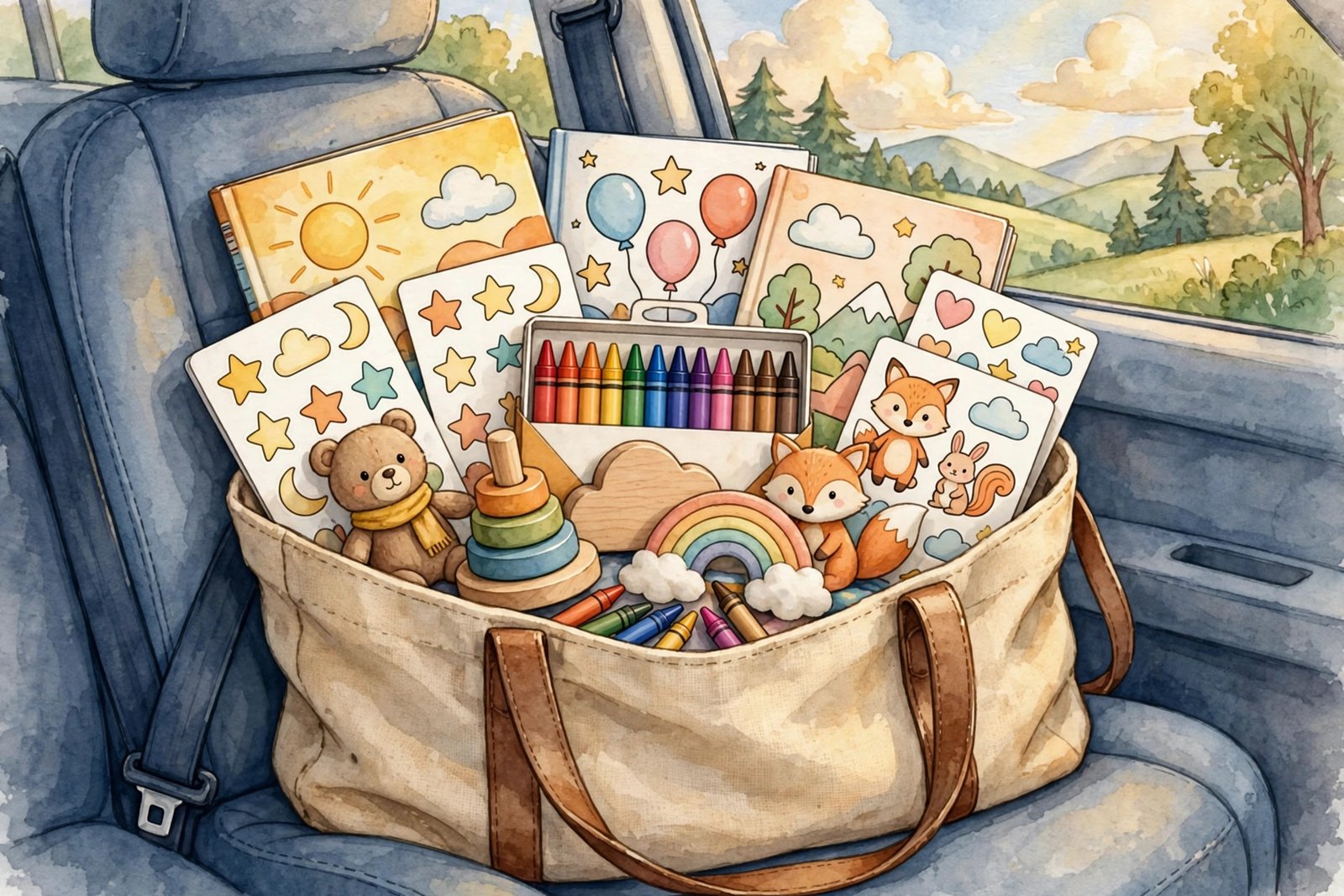
Introduce something new every 30 to 45 minutes. A fresh coloring page. A new game. A surprise from the “mystery bag” (a paper bag with a few dollar-store toys or new crayons — the unwrapping is half the fun). Each reveal resets the boredom clock.
Time snacks strategically — on a road trip, a snack is an event. Save a special treat for the fussy stretch around hour two or three, and favor protein (cheese sticks, peanut butter crackers) over pure sugar, which spikes and crashes.
Plan stretch breaks every two hours, even if nobody asks. Kids need to run, jump, and be loud for ten minutes. A playground exit or even a grassy rest area works. And for the truly long hauls, audiobooks are a wonderful bridge — a good story holds the whole car, and quiet listening time gives everyone’s brain a rest between active games.
Pack the Perfect Car Activity Kit
Pack the night before — here is a checklist for a full day of driving:
- Printed travel games: bingo cards, I-spy sheets, license plate tracker, coloring pages, mazes
- Washable crayons and colored pencils (washable is non-negotiable in a car)
- A lap tray or hard clipboard per child — coloring on laps ends in tears
- Sticker sheets and a blank notebook for sticker scenes
- Two or three small quiet toys (nothing with a hundred pieces or loud sounds)
- Water bottles and a spill-proof snack cup per child
- A small trash bag and a pack of wipes within arm’s reach
- One surprise item per child, wrapped, for the halfway point
Find ready-made travel packs at the shop — print, toss in the kit, done. Let each child pick an item or two the night before; kids care for things they chose.
Frequently Asked Questions
Stick to simple, sensory play: chunky crayons with coloring pages, sticker sheets, soft books, and counting games like spotting red cars. Rotate every 20–30 minutes — at this age, novelty beats complexity.
About 4–5 for picture bingo, 6+ for word bingo. Younger kids do better with I-spy picture checklists and coloring pages on a lap tray.
Every 2 hours, or about every 100–120 miles. Ten minutes of running around resets everyone’s mood far better than pushing through.
For sustained calm, yes — printables keep kids actively engaged while tablets often end in a cranky crash. Many families mix both: printables most of the way, a short video as a last resort.
Skip anything with tiny pieces (they vanish under seats), anything loud (you will regret it by hour two), play-dough (it melts into upholstery), and non-washable markers. When in doubt, ask: “Will I cry if this ends up on the seat?”
Skip close-up activities like coloring and reading. Switch to window games (I-spy, bingo, counting), keep the car cool with fresh air, and save snacks for rest stops.