Quick Answer: Winter worksheets keep preschoolers learning through the cold months with snow-themed tracing, counting, mazes, dot-to-dot, and cutting activities. They build fine motor skills, early math, and focus — all from the warmth of your kitchen table. Print a few pages, grab crayons, and turn a snowy afternoon into learning time.
Table of Contents
- Why Winter Is Perfect for Worksheets
- Snowflake Tracing: First Strokes of the Season
- Counting Snowflakes and Winter Math
- Winter Mazes and Dot-to-Dot Snowmen
- Cutting Practice With a Cozy Twist
- Coloring Pages for Frosty Afternoons
- Frequently Asked Questions
Why Winter Is Perfect for Worksheets
When the temperature drops and the playground is buried under snow, every parent of a preschooler knows the feeling: the walls start closing in by day three. The kids are restless, you are out of ideas, and the tablet is starting to look dangerously tempting.
Here is the good news — winter is actually one of the best seasons for focused learning at home. Cold days mean fewer distractions, longer stretches of indoor time, and children who are genuinely hungry for something interesting to do. Worksheets with a winter theme turn that restless energy into quiet, productive play.
There is real science behind it too. Short, structured activities like tracing and mazes help preschoolers build the fine motor control and concentration they will need for kindergarten. And when the activity looks like a snowman instead of a boring drill, kids do not even realize they are learning.
You do not need a curriculum or a plan. Just print a small stack of winter pages, keep crayons nearby, and offer one or two a day. Fifteen minutes of worksheet time beats an hour of “I’m boooored” every single time.
Snowflake Tracing: First Strokes of the Season
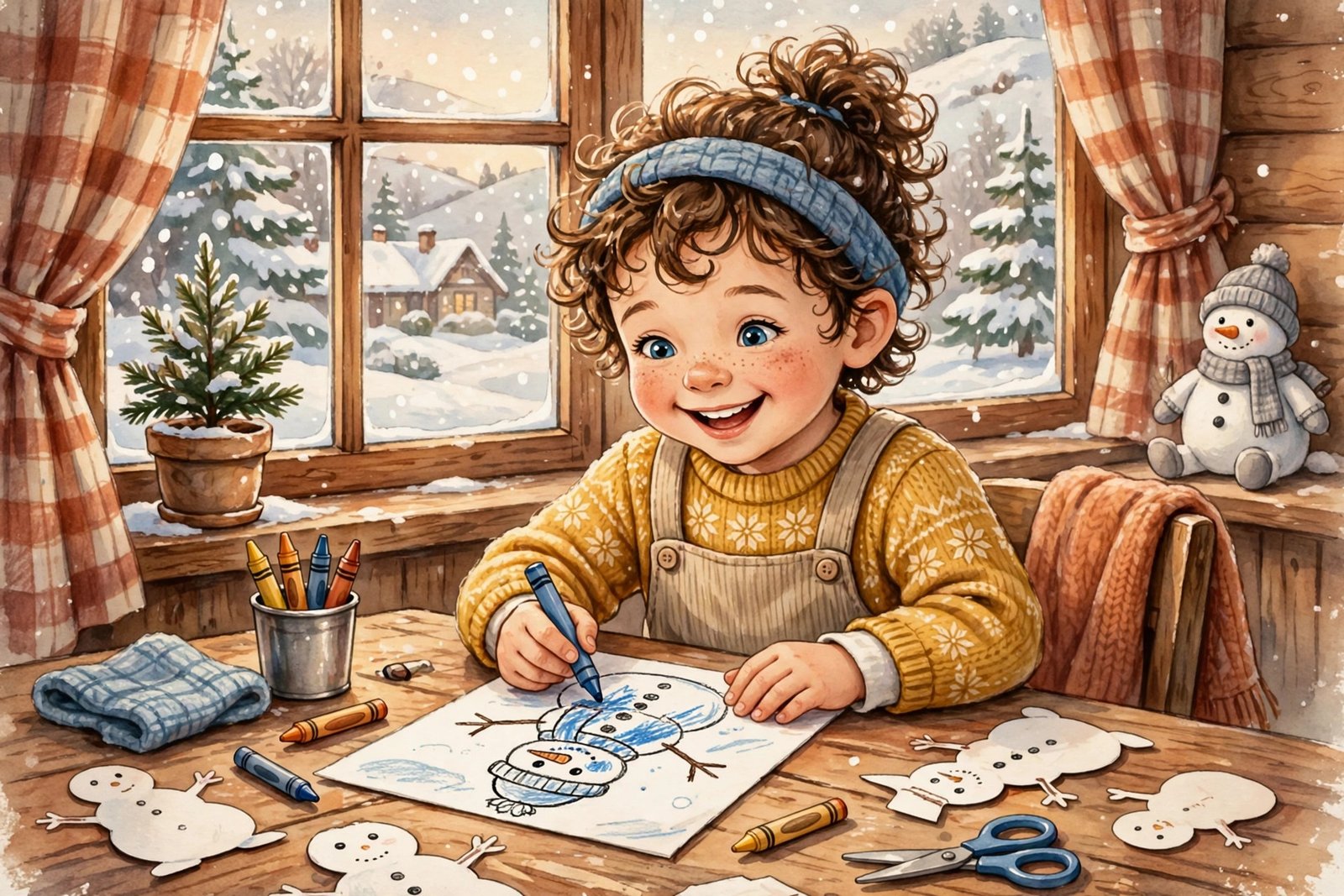
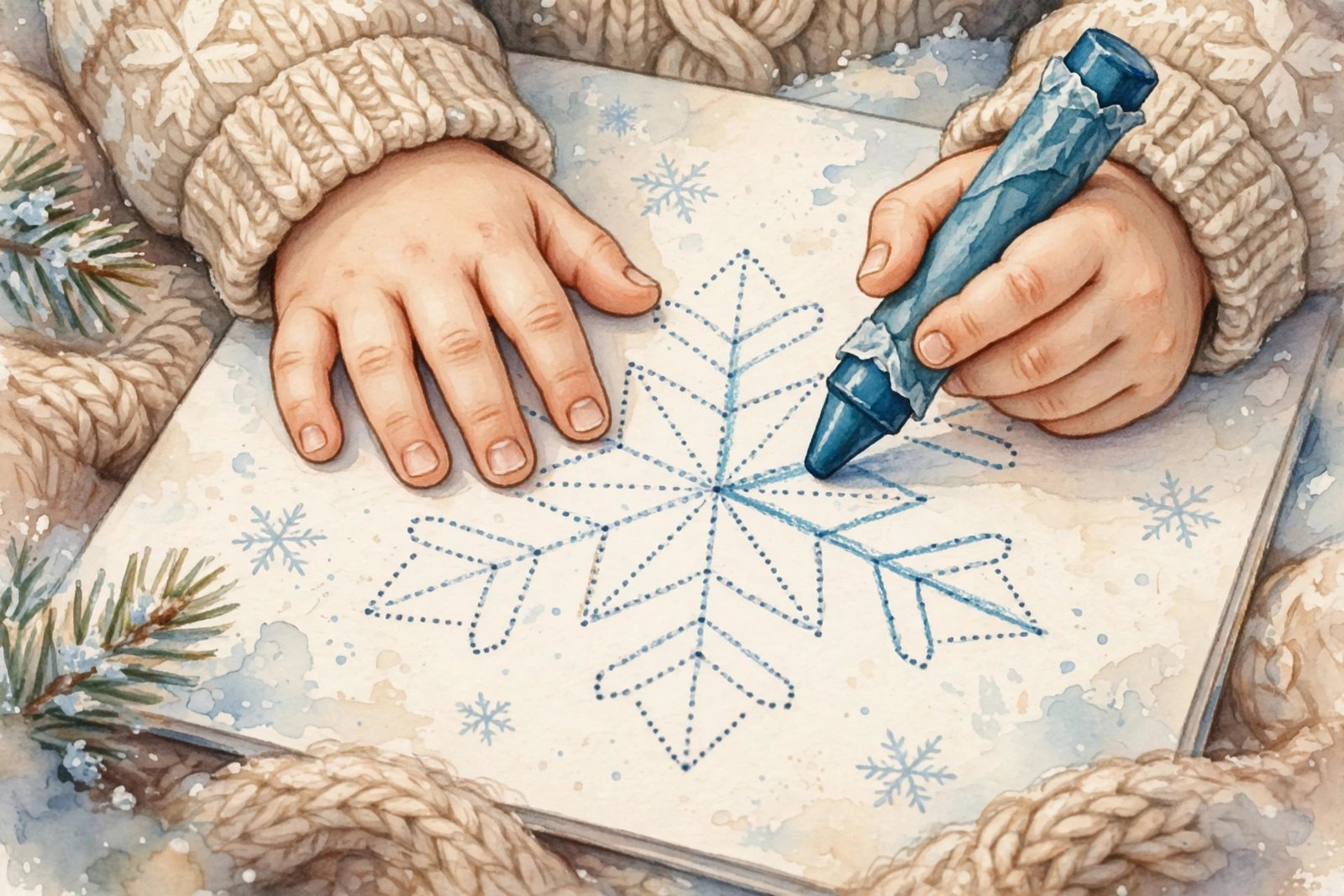
Tracing is where it all begins. Before a child can write letters, they need to control a crayon along a path — and snowflakes are the perfect practice shape. Their branching arms give little hands long, flowing lines to follow, plus short zigzags that train careful control.
Start with big, bold snowflake outlines for younger preschoolers (ages 3–4). The lines should be thick enough that “close enough” still feels like success. As your child gains confidence, move to smaller, more detailed snowflakes with inner patterns to trace.
A few tips that make tracing time work better: use chunky crayons at first (easier to grip, satisfying bold lines), tape the page down so it does not slide, and have your child trace the snowflake shape big in the air with a finger first — it builds muscle memory. And celebrate wobbly lines. The goal is control over time, not perfection today.
Two or three tracing pages a week through winter will visibly improve your child’s pencil control by spring. Teachers notice the difference — and so will you.
Counting Snowflakes and Winter Math
Winter is a natural math teacher. Snowflakes, mittens, and hot cocoa marshmallows are all things kids can count — and counting real-feeling objects on a worksheet builds early number sense better than abstract drills.
Try these snowy math ideas with your preschooler:
- Count the snowflakes: Pages showing groups of snowflakes (1 to 10) where children count and circle the matching number. Start with 1–5 for younger threes, work up to 10.
- Mitten matching: Draw pairs of mittens and have your child count by twos — a gentle intro to even numbers.
- More or less: Two snowmen with different numbers of buttons. Which snowman has more? This builds comparison skills.
- Simple patterns: Scarf stripes in repeating color patterns (red-blue-red-blue). Ask what comes next. Patterning is early algebra, disguised as fun.
Keep it playful and pressure-free. If your child counts “1, 2, 5, 9” — smile, count together slowly, and try again tomorrow. Preschool math is about exposure and joy, not correct answers.
Winter Mazes and Dot-to-Dot Snowmen
Once tracing feels easy, mazes and dot-to-dot pages are the natural next step — and winter themes make them irresistible. Help the penguin find its igloo. Connect the dots to reveal a snowman. These are puzzles first and worksheets second, which is exactly why kids love them.
Mazes train something tracing alone cannot: planning. Your child has to look ahead, spot dead ends, and change direction — that is problem-solving and visual scanning practice. Start with wide, simple paths (no narrow corridors for little hands) and work toward trickier ones as winter goes on.
Dot-to-dot snowmen build number order at the same time as pencil control. Counting “1, 2, 3…” while connecting dots reinforces number sequence, and the big reveal at the end — a snowman! — is its own reward. For preschoolers, keep dot-to-dots under 20 dots. Longer ones belong to kindergarten age.
Pro tip: laminate a few favorite mazes (or slip them into sheet protectors) and use dry-erase markers. Instant reusable activity for long winter afternoons.
Cutting Practice With a Cozy Twist
Scissor skills deserve their own worksheet moment. Cutting builds hand strength and bilateral coordination (both hands working together — one holds, one cuts), which matters enormously for later writing stamina.
Winter cutting activities kids actually enjoy:
- Snowflake cutting: Folded-paper snowflakes are the classic for a reason. Start by letting your child snip the edges of a folded square — every cut reveals a surprise.
- Cut along the scarf: Long wavy or zigzag lines for fringe-cutting practice.
- Cut-and-paste snowmen: Cut out circles and accessories, then glue a snowman together. Cutting plus assembling equals double the skill-building.
Safety note: always use child-safe scissors with rounded tips, and sit with your child the first several times.
Coloring Pages for Frosty Afternoons
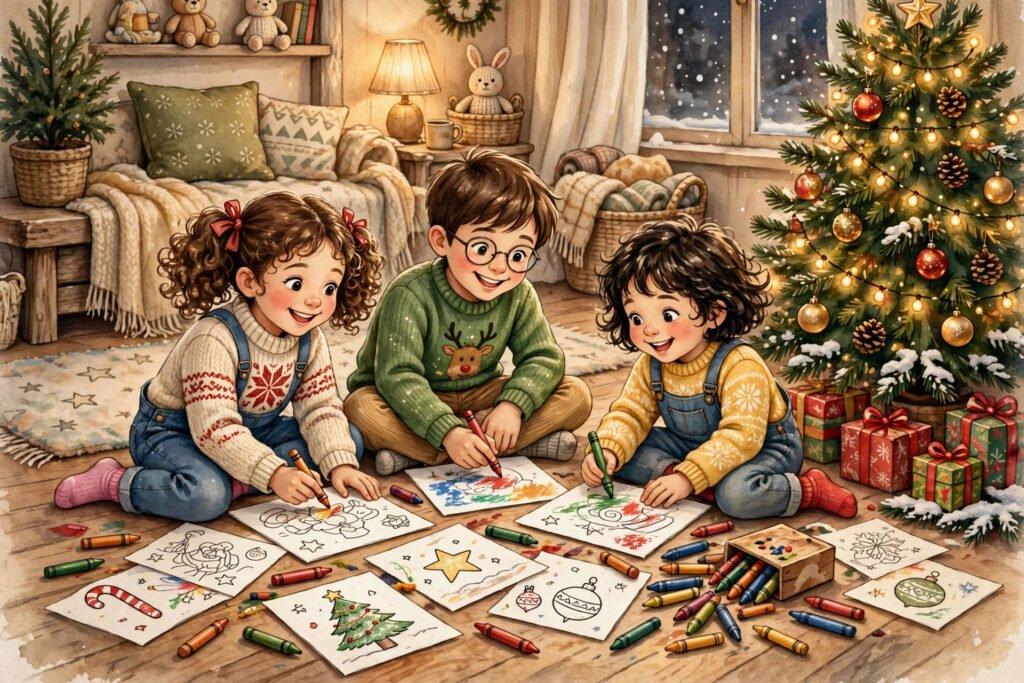
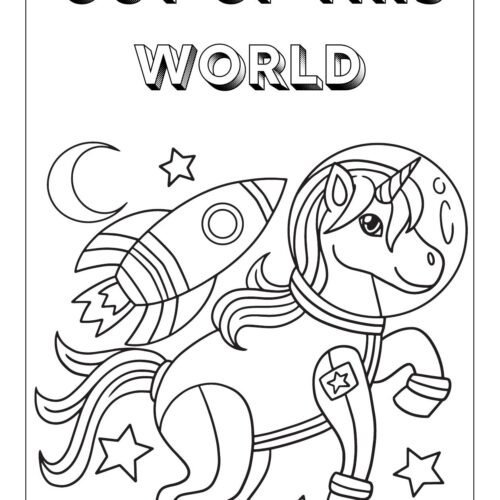
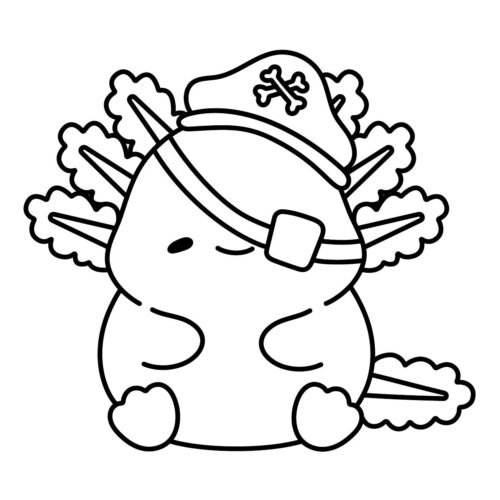
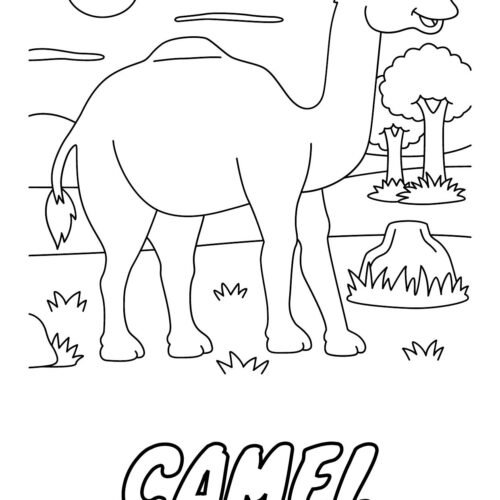
Some winter afternoons call for zero instruction — just crayons and a beautiful page. Winter coloring pages (snowmen, mittens, cozy cabins, woodland animals in snow) give kids creative downtime that still builds focus and fine motor strength.
Coloring is also the perfect “bridge” activity. A child who resists worksheets will often happily color — and every minute with a crayon is training the same hand muscles. Keep a basket of winter coloring pages where your child can reach them independently. Self-directed quiet time is a gift for both of you.
For extra learning sneaked in, try color-by-number winter pages: the child follows a key (1 = blue, 2 = red) to reveal a hidden picture. It practices number recognition, following instructions, and patience — all inside a coloring page. You can find plenty of winter options in the shop.
Frequently Asked Questions
Most winter worksheets suit ages 3–6. Toddlers (2–3) do best with simple coloring and big tracing lines, while ages 4–6 can handle mazes, dot-to-dot, and cutting activities.
One or two pages (10–20 minutes) is plenty. Preschoolers learn best in short, happy bursts. Stop while it is still fun — you want them asking for more tomorrow.
Yes, these are printable PDFs. Any home printer works; regular paper is fine for crayons and pencils. For markers, slightly thicker paper prevents bleed-through.
Absolutely. Tracing builds pencil control, mazes build problem-solving, counting pages build number sense, and cutting builds hand strength — the exact skills kindergarten teachers look for.
Drop back to easier ones with wider paths, or do the first maze together with your finger before using a crayon. Frustration means the challenge is slightly too high — success builds the confidence to try harder ones.
Print as many copies as you like for personal use. For reusable pages, slip printed sheets into clear sheet protectors and use dry-erase markers — wipe clean and repeat all winter.