Quick Answer: The best screen-free activities for toddlers include coloring pages, dot-to-dot puzzles, playdough, wooden blocks, simple jigsaws, sorting games, dance parties, and outdoor exploration. Rotate toys weekly to keep things fresh, match activities to the moment (rainy day, travel, quiet time), and join in — your attention matters more than any toy.
Table of Contents
- Why Is Screen Time a Struggle for Parents?
- Why Screen-Free Play Matters So Much
- 15 Screen-Free Activities for Toddlers
- Best Activities for Every Situation
- The Toy Rotation Trick That Keeps Things Fresh
- Frequently Asked Questions
Why Is Screen Time a Struggle for Parents?
Let us be honest for a moment. Almost every parent has been there: it is 5 PM, dinner is not ready, your toddler is melting down, and the tablet is right there. You hand it over, get twenty minutes of peace, and then spend the rest of the evening drowning in guilt.
Here is the truth — you are not a bad parent. Screens are engineered to be irresistible, even for adults. But you are also right to want alternatives, because what toddlers need most for healthy brain development is something no screen can provide: hands-on, real-world play.
The good news? Toddlers are actually easy to entertain without screens. They do not need expensive toys or elaborate setups. They need simple activities, your attention, and the freedom to explore. This guide gives you 15 proven screen-free activities for toddlers, plus smart strategies for the moments you need them most.
Why Does Screen-Free Play Matter for Toddlers?
This is not about being anti-technology. It is about what developing brains need. In the first three years, a child’s brain forms over a million neural connections per second. Real-world play — touching, stacking, pouring, scribbling — feeds that development in ways passive screen-watching simply cannot.
Research consistently links excessive early screen time with shorter attention spans, delayed language development, and poorer sleep. Meanwhile, hands-on play builds fine motor skills, problem-solving, creativity, and emotional regulation. The American Academy of Pediatrics recommends very limited screen time for children under 2, and just one hour of high-quality programming for ages 2–5.
You do not need perfection. You just need a solid list of alternatives — which is exactly what follows.
What Are the Best Screen-Free Activities for Toddlers?
Creative activities
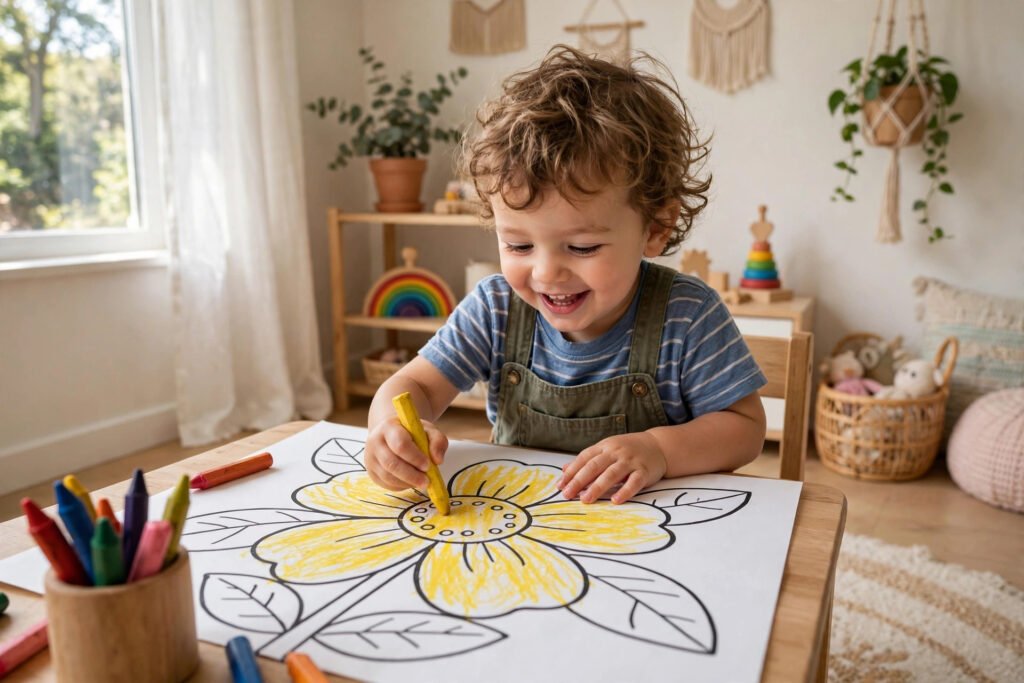
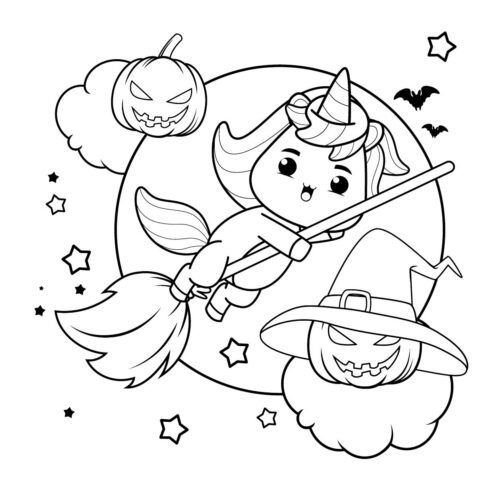
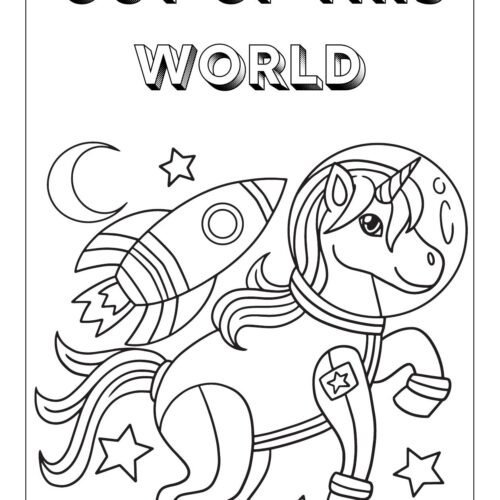
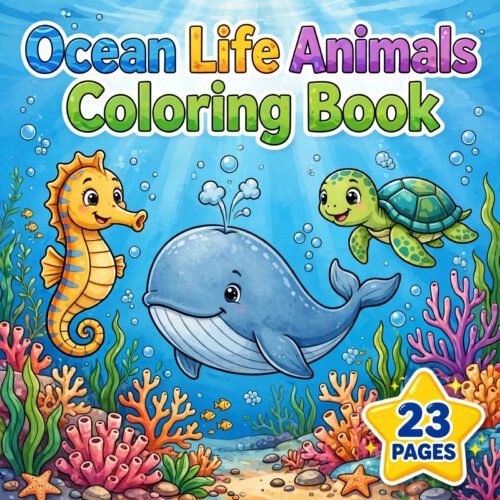
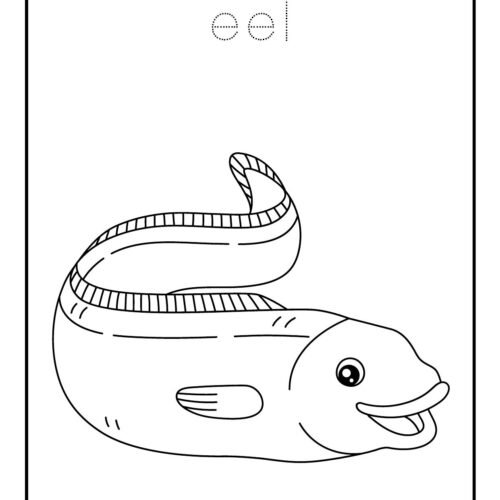
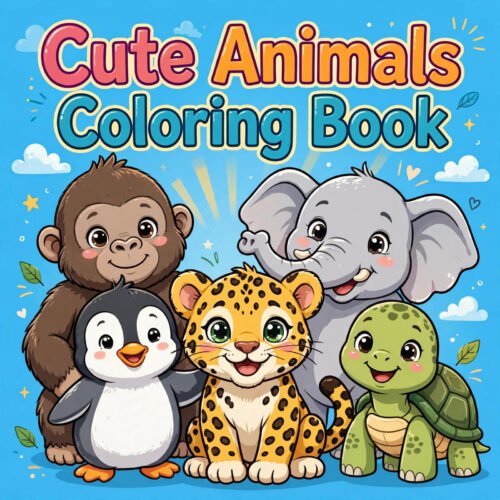
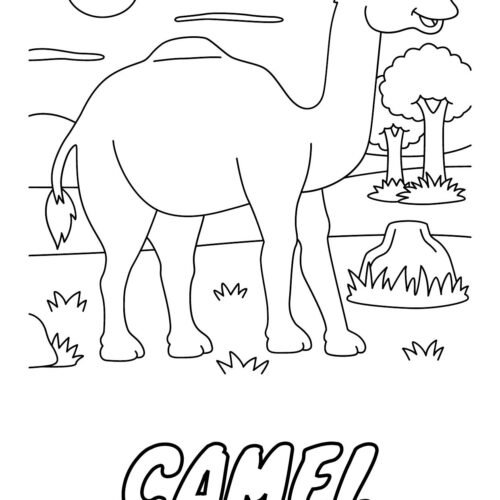
1. Coloring pages. The classic for a reason. Print a stack of simple pages, hand over chunky crayons, and let them create. Coloring builds fine motor skills and focus while keeping little hands happily busy.
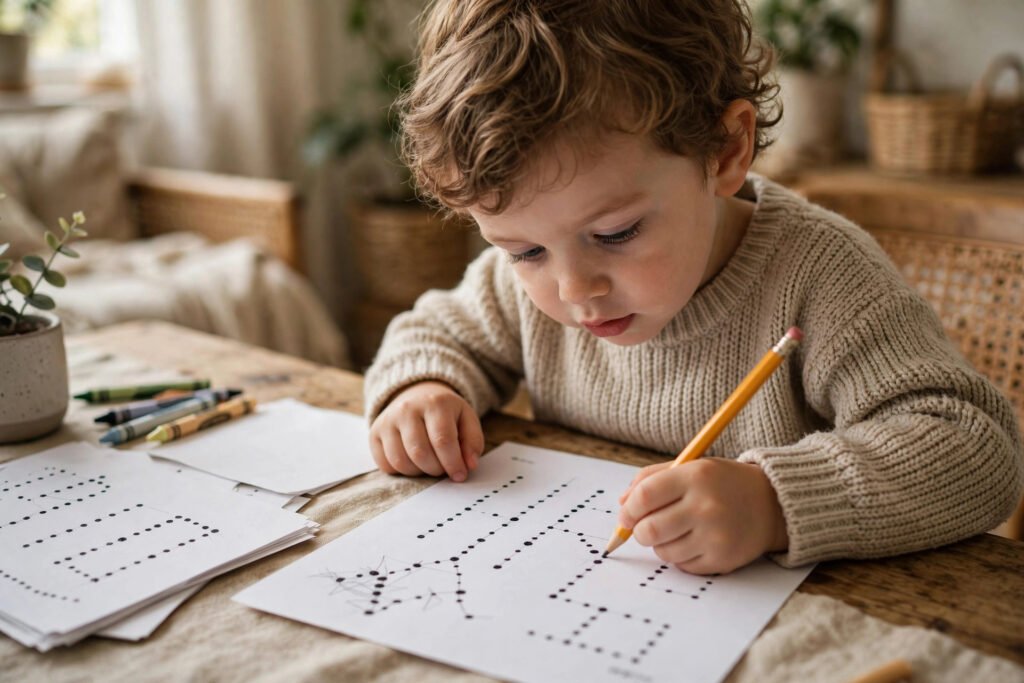
2. Dot-to-dot puzzles. Connect the dots to reveal a hidden picture — it feels like magic to a toddler. These build number recognition and pencil control at the same time.
3. Sticker books. Peeling stickers off a sheet is surprisingly tricky for small fingers, which makes it excellent fine-motor practice. Plus, toddlers find stickers endlessly delightful.
4. Playdough. Squish it, roll it, cut it, stamp it. Playdough strengthens hand muscles better than almost any toy, and it is calming for anxious or energetic kids alike. Make your own with flour, salt, and water for pennies.
5. Sidewalk chalk. Take the art outside. Big arm movements on the driveway build gross motor skills, and the novelty of drawing somewhere “unusual” keeps toddlers engaged far longer than paper.
Learning through play
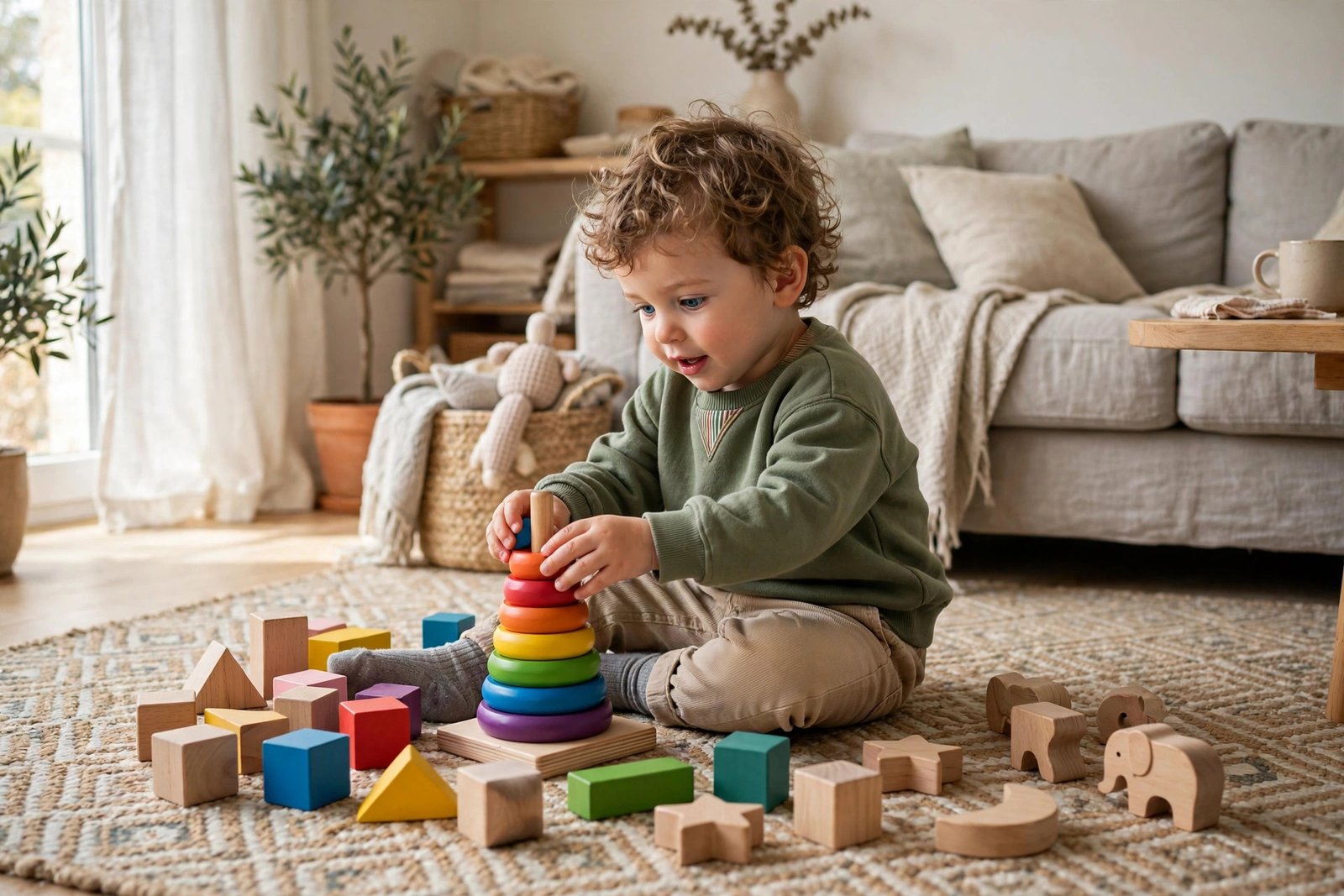
6. Wooden blocks. Stack them, knock them down, repeat forever. Blocks teach balance, spatial reasoning, cause and effect — and the knocking down is the best part.
7. Simple jigsaw puzzles. Start with 4–6 large pieces. Puzzles teach patience, shape recognition, and the deeply satisfying feeling of solving a problem.
8. Sorting games. Give your toddler a muffin tin and a bowl of mixed objects — buttons, pom-poms, toy cars — and let them sort by color or type. This is early math in disguise.
9. Tracing letters and numbers. Large, simple tracing worksheets are perfect preschool prep. They build the hand control needed for writing without any pressure.
10. Matching card games. Start with just 6–8 cards face up, matching identical pictures. It builds memory and concentration, and you can make it harder as they grow.
Active and musical fun
11. Dance party. Put on music and move. Dancing builds coordination, burns energy, and is guaranteed to make everyone laugh — including you.
12. Indoor obstacle course. Cushions to climb over, a blanket tunnel to crawl through, a laundry basket to toss soft balls into. Ten minutes of setup buys you thirty minutes of play.
13. Helping in the kitchen. Toddlers love “real” work. Let them stir batter, pour (a little) water, tear lettuce, or press cookie cutters into dough. You are building life skills and confidence.
14. Reading together. Even ten minutes of daily reading builds vocabulary and creates a powerful bonding ritual. Let them turn pages and point at pictures — participation beats perfection.
15. Outdoor exploration. A walk around the block is an adventure to a toddler. Collect leaves, watch ants, splash in puddles, listen for birds. Nature is the original sensory toy.

Which Activities Work Best for Each Situation?
Different moments need different activities. Here is your cheat sheet:
Rainy day stuck inside: Playdough, coloring pages, indoor obstacle course, dance party. High-energy options burn off the wiggles that build up indoors.
You need quiet independent play: Sticker books, simple puzzles, sorting games, coloring. Set them up at a small table and stay nearby — toddlers play longer when a parent is within sight.
Travel or waiting rooms: A small bag with crayons and printed coloring pages, sticker books, and a snack beats a tablet and weighs almost nothing.
Winding down before nap or bed: Reading together, slow coloring, gentle playdough. Calm activities signal the brain that rest is coming.
What Is the Toy Rotation Trick?
Here is a secret from preschool teachers: kids do not need more toys — they need fewer toys, rotated regularly. Put two-thirds of the toys in a closet. Every week or two, swap them out. Old toys feel brand new again, play gets deeper, and cleanup becomes manageable.
Apply the same idea to printables: print a fresh batch of coloring pages or worksheets every week with new themes. A dinosaur week, an ocean week, a unicorn week — novelty keeps the excitement alive.
Frequently Asked Questions
Experts suggest avoiding screens (except video calls) under 18–24 months, and limiting ages 2–5 to about one hour of high-quality content per day. But do not aim for perfection — aim for balance.
Expect protests for a few days — that is normal withdrawal from a highly stimulating habit. Stay consistent, offer an exciting alternative immediately, and the protests fade fast.
No. Interactive play with real objects and real people builds skills that apps cannot — fine motor control, 3D spatial understanding, and social-emotional learning.
Have a kind, brief conversation in advance, and bring your own activity bag. Most people respect clear, friendly boundaries.
Want ready-made fun in seconds? Check out our printable worksheets and coloring pages — download instantly, print at home, and keep your toddler happily busy without a single screen!