Quick Answer: A daily learning routine for a preschooler uses predictable blocks, not a rigid timetable: a gentle morning start with play-based learning, one short focused activity like a printable worksheet after lunch, plenty of free play, and an evening story routine. Keep learning moments to 15–20 minutes, follow your child’s energy, and stay flexible — consistency beats perfection.
Table of Contents
- Why Routines Matter for Preschoolers
- A Sample Daily Schedule That Actually Works
- Morning Block: Gentle Starts and Learning Play
- Afternoon Block: Worksheets, Rest, and Free Play
- Evening Block: Wind-Down and Story Time
- Making It Work When You’re Busy
It’s 9:47 on a Tuesday morning. Your preschooler is still in pajamas, the TV has been humming since breakfast, and you just realized the whole morning slipped away without a single “learning moment.” Meanwhile, your neighbor’s kid apparently does phonics before 8 a.m. Sound familiar? You’re not behind.
Here’s the truth most parenting blogs won’t tell you: preschoolers don’t need a strict timetable. They need rhythm. A daily learning routine isn’t about scheduling every minute — it’s about creating predictable blocks of the day where learning naturally happens through play, stories, and simple activities. Think anchors, not chains.
In this guide: a realistic sample schedule, morning/afternoon/evening block ideas, and practical tips for working parents and wild weekends. No fancy curriculum — just a little structure and a few good printables. For more ideas, browse our blog.

Why Routines Matter for Preschoolers
Between 3 and 5, your child’s brain is wiring up focus, memory, and emotional regulation — and predictable routines support that wiring. When a child knows what comes next, their brain spends less energy on uncertainty and more on exploring. That’s why meltdowns drop on days with a clear rhythm.
Routines also end the negotiation. “After lunch we do one worksheet, then you choose” is a boundary kids understand. Over time, that predictability builds independence — the self-regulation skill kindergarten teachers love.
A Sample Daily Schedule That Actually Works
Forget minute-by-minute planning — think in blocks. Here’s a sample rhythm for an at-home day with a 3–5-year-old:
- 7:30 – Wake up, get dressed — let them pick their own clothes; choice builds independence.
- 8:00 – Breakfast together — preview the day: “After breakfast we’ll read, then play outside.”
- 8:30 – Morning learning play (20–30 min) — puzzles, blocks, or a coloring page while energy is fresh.
- 9:30 – Free play / outdoor time — The most important “subject” of the day. Let them lead.
- 11:00 – Snack + one focused activity (15–20 min) — A tracing worksheet, counting game, or alphabet practice.
- 12:00 – Lunch, then quiet rest — Not every preschooler naps, but everyone benefits from downtime.
- 2:00 – Afternoon adventure — Park, backyard, library, or messy art. Big movement matters.
- 4:00 – Snack + free choice — They pick: playdough, books, pretend play.
- 5:30 – Dinner + family time
- 6:30 – Wind-down: bath, story, bed — Same order every night. This is the golden routine.
Notice what’s missing? No 45-minute “lesson” — at this age, 15–20 focused minutes beat an hour of forced sitting.
Morning Block: Gentle Starts and Learning Play
Mornings set the tone, so keep them warm and low-pressure. Try “invitations to play” — a puzzle on the table, blocks nearby, a fresh coloring page waiting. When your child wanders over on their own, that self-chosen learning sticks best.
Mornings are also prime time for language: narrate what you’re doing, ask open questions, and read one short book together. Conversation is the curriculum at this age. For a little more structure, rotate a small basket of activities weekly so things feel fresh.
Afternoon Block: Worksheets, Rest, and Free Play
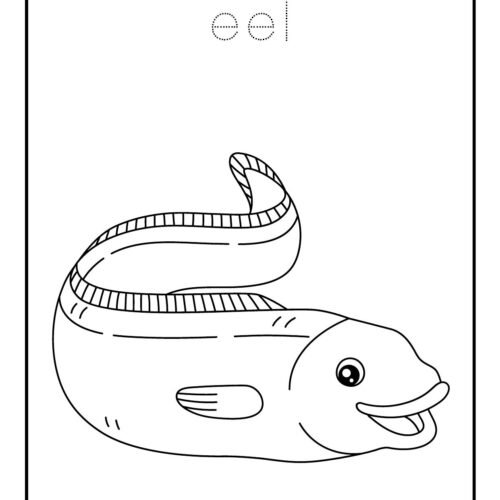
After lunch and rest comes a second wind — your golden window for one focused activity, 15 to 20 minutes max. Printable worksheets are perfect here: a clear beginning and end feels satisfying to young kids. Tracing, simple mazes, and dot-to-dot build the fine motor control they’ll need for writing.
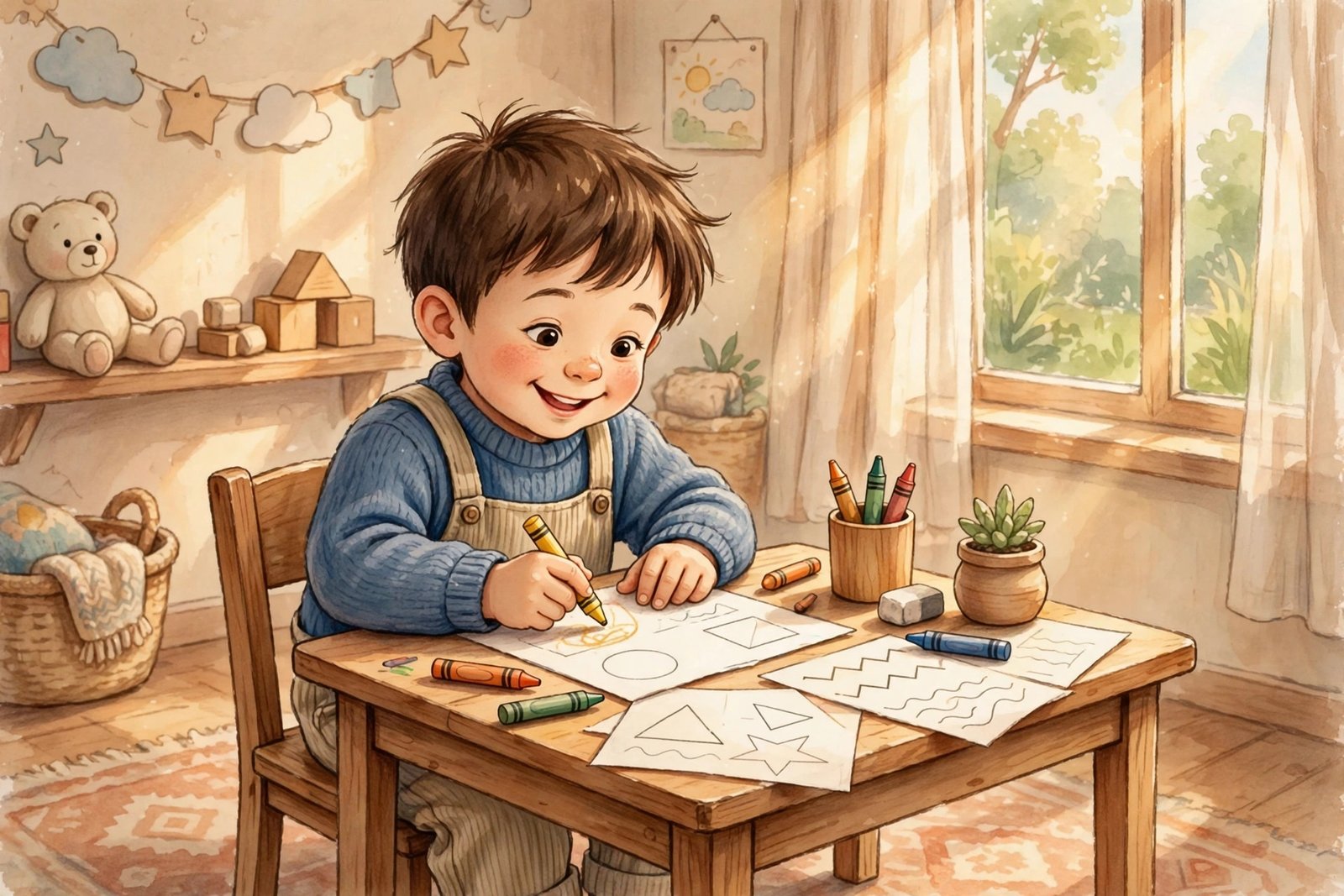
Presentation is everything. Don’t announce “worksheet time” like a chore — sit beside them, do your own page, keep it cozy. Print on US Letter paper, hand them crayons (not pencils), and praise effort over accuracy. When the page is done, stop — ending on a high note makes them eager for tomorrow.
Balance it with quiet rest first — even non-nappers recharge with books in a cozy corner — then big, glorious free play: the park, the backyard, or messy art.
Evening Block: Wind-Down and Story Time
Evenings are for connection, not new skills. A consistent wind-down sequence — bath, pajamas, teeth, story, bed — signals the brain that sleep is coming, and kids who know the sequence fall asleep faster. Keep screens off the last hour if you can.
Story time is the heart of it: reading aloud builds vocabulary and a warm association with books that lasts into school. Let your child pick the book — even for the tenth night running. For a gentle, sleepy read, try our bedtime story ebook, and explore more in our storybooks collection.

Making It Work When You’re Busy
Working full-time? The routine police aren’t coming — adapt to real life. If mornings are a rush, shift the focused activity to evening. If you only get 20 minutes after daycare, make them count: one worksheet, one story, your full attention.
On weekends, loosen everything: sleep in, skip the worksheet, hit the playground. A routine that survives real life has built-in slack — 4 or 5 days a week is a win. And on chaotic days, one book plus fresh air still counts as a learning day.
Frequently Asked Questions
Aim for 30–45 minutes of focused learning in 15–20 minute chunks. The rest — play, rest, meals, outdoors — is where most preschool learning happens.
Totally normal. Offer two choices (“worksheet or puzzle?”), keep it short, try again later. Consistency across days beats compliance in any single moment.
A little high-quality educational screen time is fine as a separate, time-limited block — not background noise all day. Mornings often go smoother with screens off until after the first activity.
Shift the focused block to when you’re together — 15 minutes after dinner counts. Daycare already provides structure; at home, focus on connection plus a little reinforcement.
Yes, when age-appropriate and short. Tracing, matching, and mazes build fine motor skills and focus — 15 happy minutes beats 30 tearful ones.
Whenever your family naturally wakes — the sequence matters, not the clock time. Keep the order of blocks consistent from your wake window.