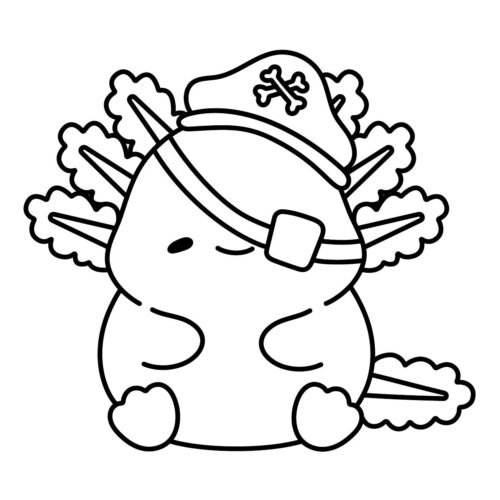
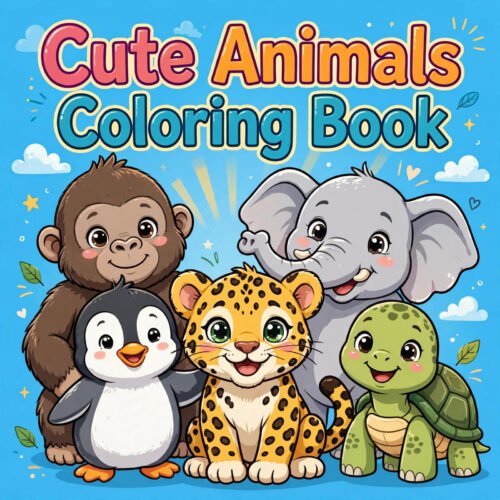
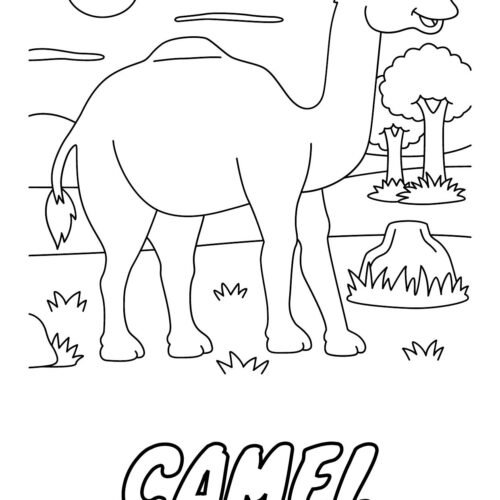
Quick Answer: The best way to teach ABCs to preschoolers is through short, playful activities: alphabet coloring pages, letter tracing, and simple ABC games that connect letters to sounds. Keep sessions to 10–15 minutes, follow your child’s lead, and skip the pressure — kids learn letters fastest when it feels like play, not school.
Table of Contents
- When Should Preschoolers Start Learning ABCs?
- Start with Letter Sounds, Not Letter Names
- Alphabet Coloring Pages That Actually Teach
- Letter Tracing Without the Tears
- ABC Games That Feel Like Play
- Keep It Fun and Pressure-Free
If your preschooler is heading to kindergarten next fall, the ABCs are probably living rent-free in your head. Will she know her letters? Should he be writing them already? Take a breath — you don’t need flashcards drilled at the kitchen table or an expensive curriculum. What you need is a printer, some crayons, and about fifteen minutes a day.
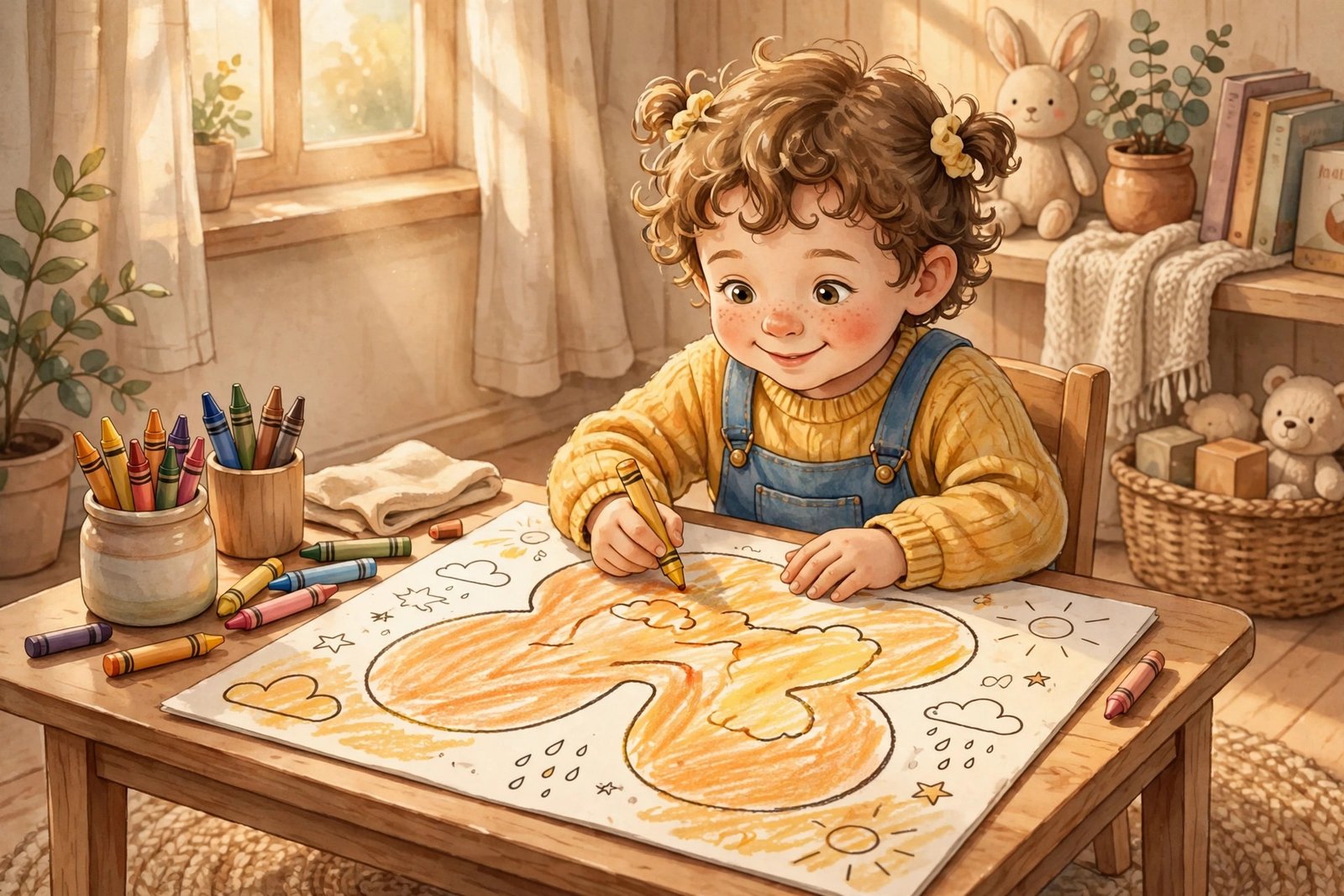
I learned this the sideways way. When my oldest was four, I bought a workbook the size of a phone book and watched her enthusiasm die by page three. The thing that actually worked? An alphabet coloring page with a big friendly “B” next to a bumblebee. She colored, she chattered about bees, and somewhere in there the letter B moved into her brain to stay.
That’s the whole secret of teaching ABCs to preschoolers: letters stick when they’re attached to something joyful. Coloring, tracing, silly games — these aren’t “less serious” than workbooks. For a four-year-old brain, they’re actually more effective, because play is how young children learn best.
When Should Preschoolers Start Learning ABCs?
Most kids start showing interest in letters between ages 3 and 4, and many recognize a good chunk of the alphabet by 4 or 5. But here’s the part nobody puts on the milestone charts: the range of normal is enormous. Some three-year-olds sing the whole ABC song; some five-year-olds are just getting curious. Both are completely fine.
Instead of watching the calendar, watch your child. Are they pointing at letters on signs? Asking “what does that say?” Trying to write their name (even if it looks like abstract art)? Those are your green lights. And if the interest isn’t there yet, don’t force it — keep reading aloud together, and the curiosity will come.
Start with Letter Sounds, Not Letter Names
This one surprises a lot of parents: when you’re starting out, letter sounds matter more than letter names. Knowing that B says “buh” is what eventually unlocks reading — the name of the letter is just a label. So when you point to that bumblebee page, say “B says buh, like bumblebee!” and let the sound do the heavy lifting.
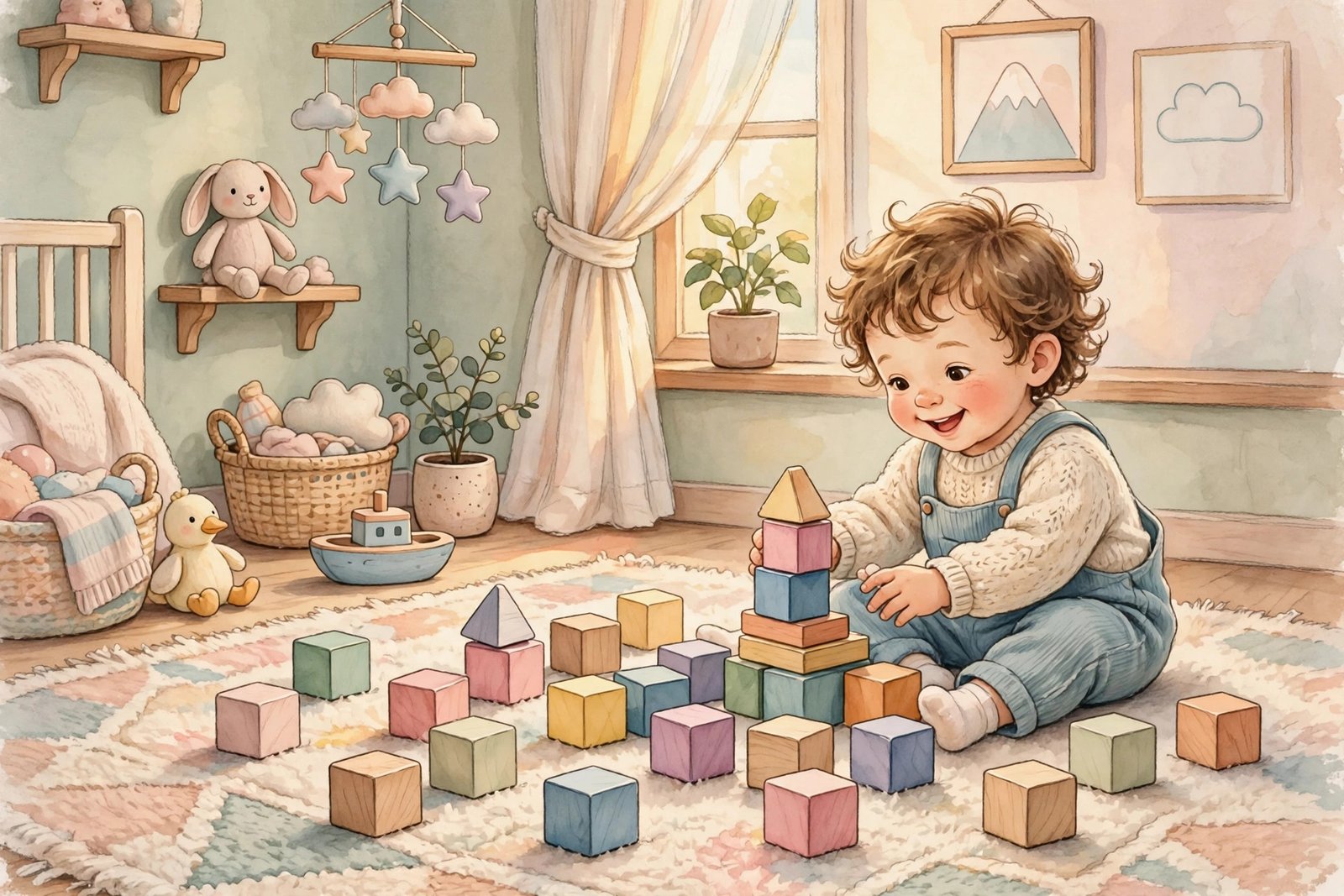
A lovely low-pressure way to build this is the “letter of the day” game. Pick one letter each morning — say, M — and hunt for it together all day long. M on the milk carton, M in “mommy,” M on the mailbox. By dinner, that letter feels like an old friend. No worksheets required.
Alphabet Coloring Pages That Actually Teach
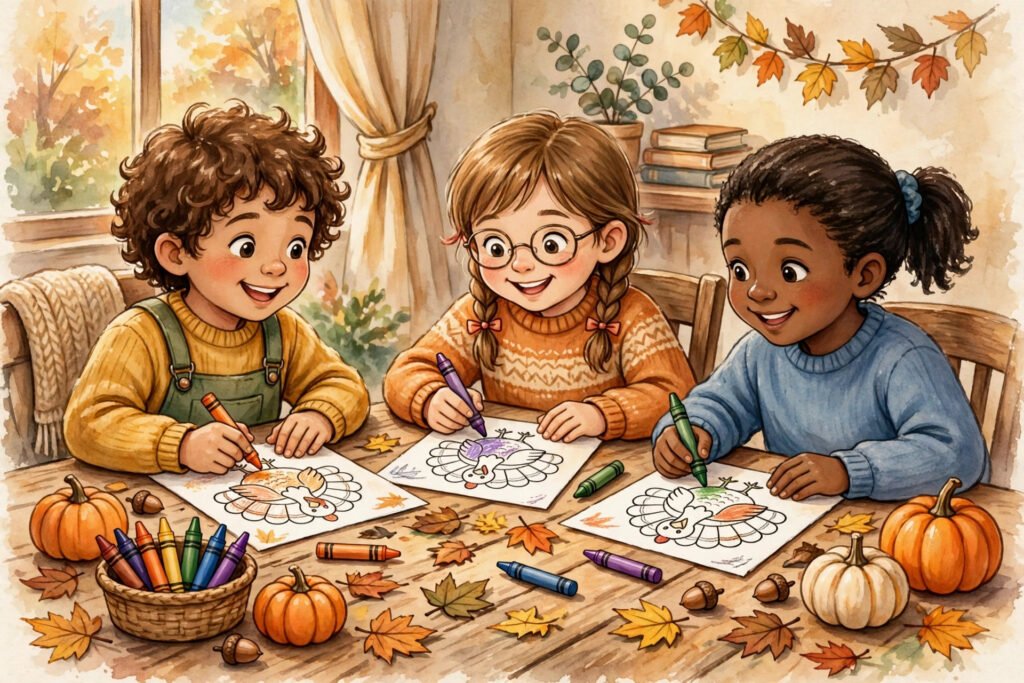
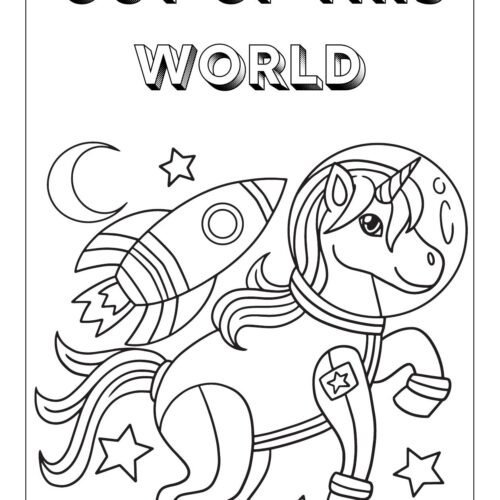
Not all coloring pages are equal when it comes to learning letters. The best alphabet coloring pages pair each big, bold letter with a familiar picture that starts with its sound — A with apple, D with dinosaur, S with sun. That picture is doing real teaching work: it gives your child a mental hook to hang the letter on.
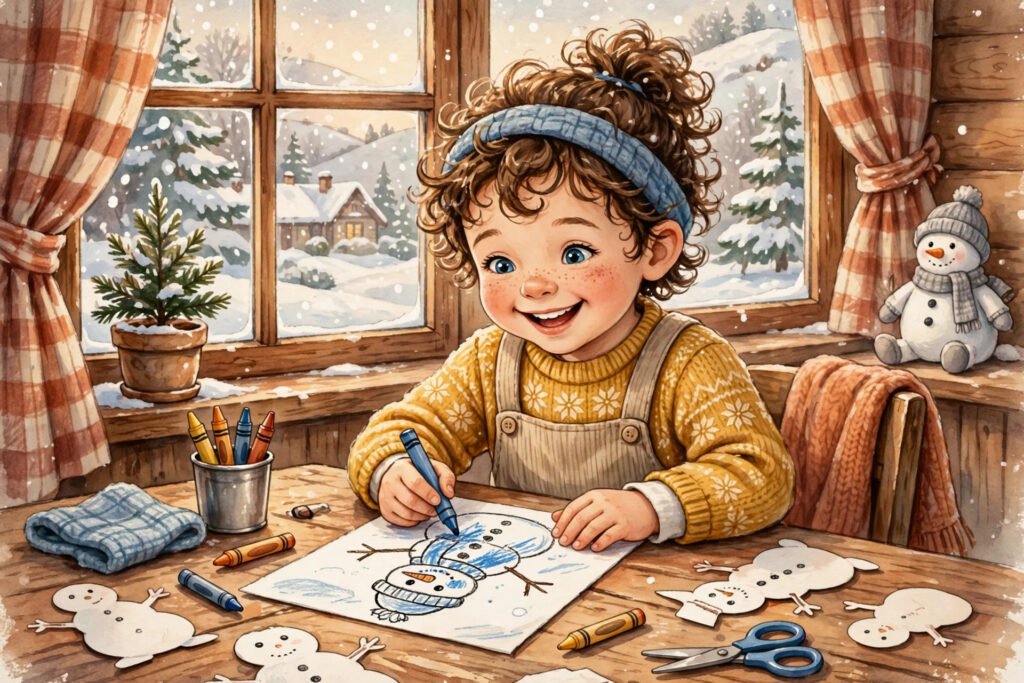
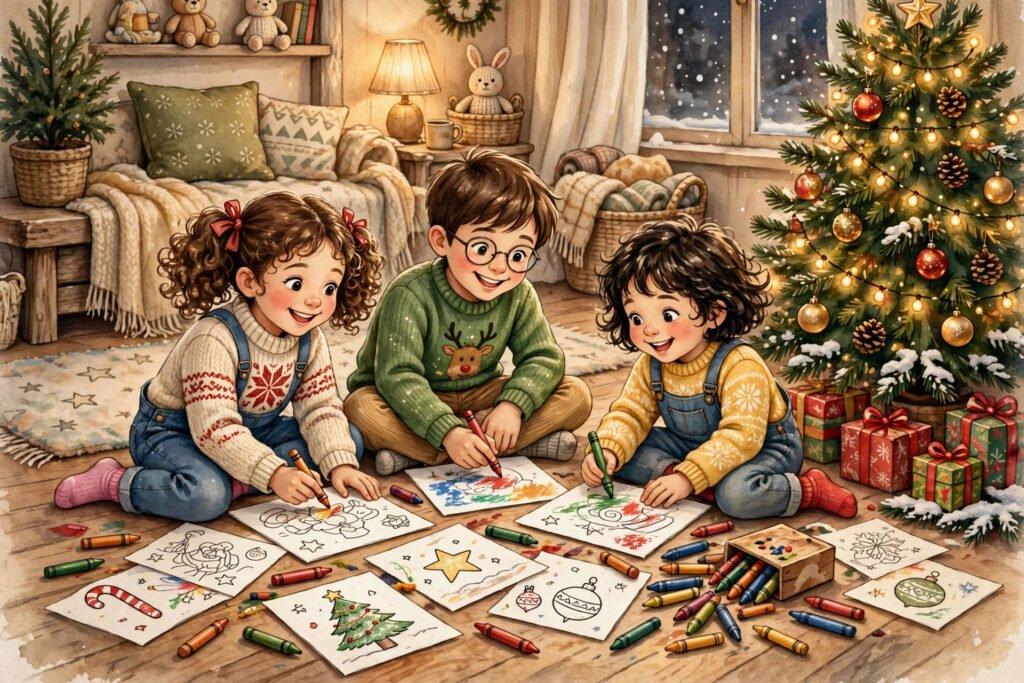
Here’s how to squeeze the most learning out of coloring time. First, let them color however they want — the goal is joy, not staying inside the lines. While they color, chat casually: “Ooh, you’re coloring the octopus! O is for octopus — oooctopus.” You’re narrating, not quizzing. The letter is finding its way into their memory through their hands either way.
One more trick: after the page is done, hang it up. A little gallery of “my letters” on the fridge or a bedroom wall turns their own artwork into a daily, effortless review. Kids love seeing their work displayed, and every glance is another tiny repetition that costs you nothing.
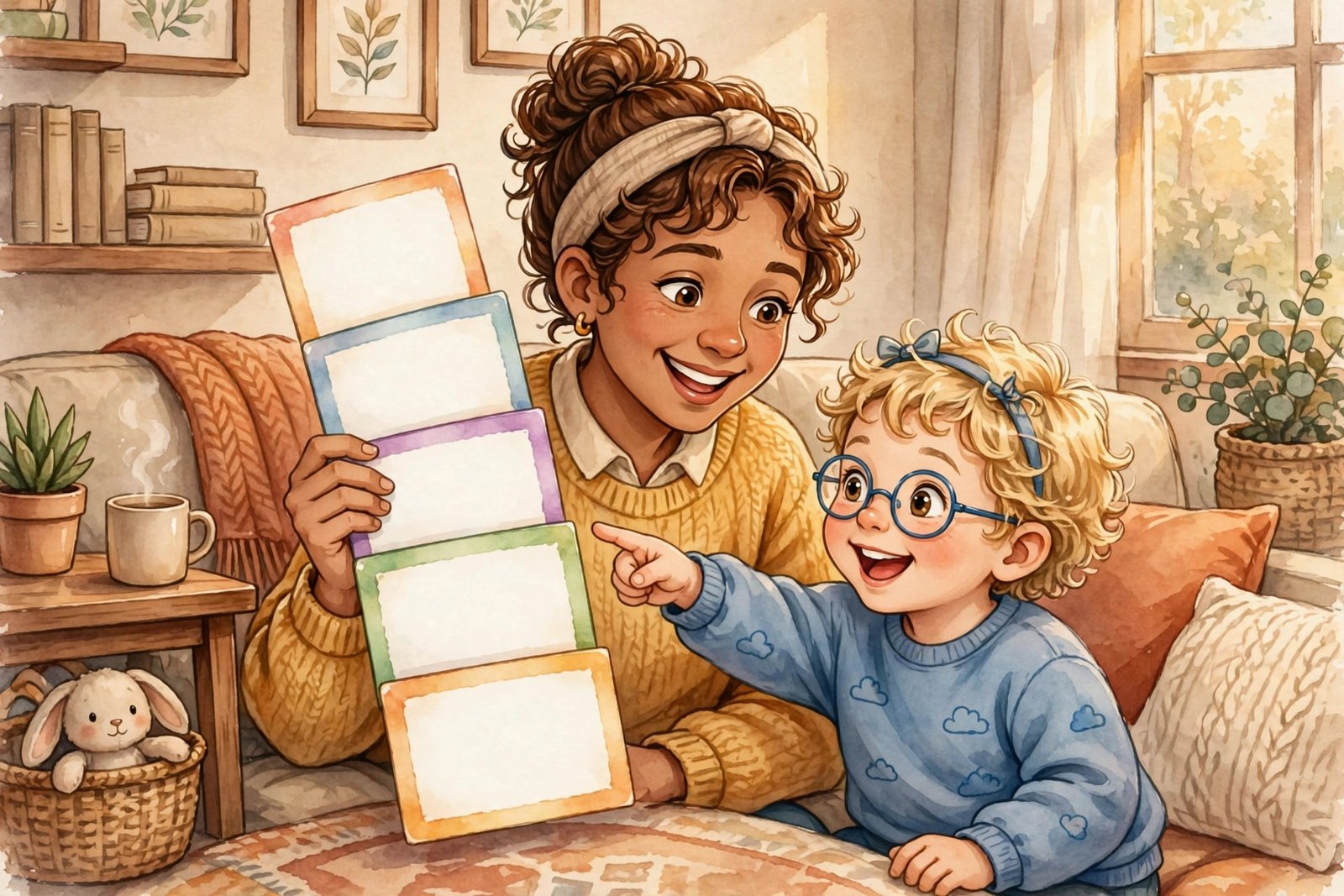
Letter Tracing Without the Tears
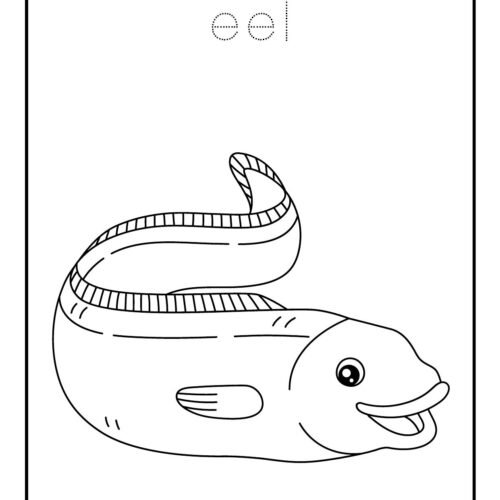
Tracing gets a bad reputation because so many of us picture a frustrated child gripping a pencil over dotted lines. But tracing doesn’t have to mean pencil-and-paper drudgery — and it shouldn’t, not at first. Start big. Really big. Trace giant letters in shaving cream on a cookie sheet, draw them with a finger in a tray of rice, or “paint” them on the sidewalk with water and a big brush.
When little hands are ready for paper, look for tracing printables with thick, clear dotted lines and plenty of space — cramped lines frustrate small fingers fast. Keep sessions short (five to ten minutes is plenty), and always quit while it’s still fun. The moment tracing feels like a chore, put it away and come back tomorrow. Muscle memory builds through happy repetition, not marathon sessions.
ABC Games That Feel Like Play
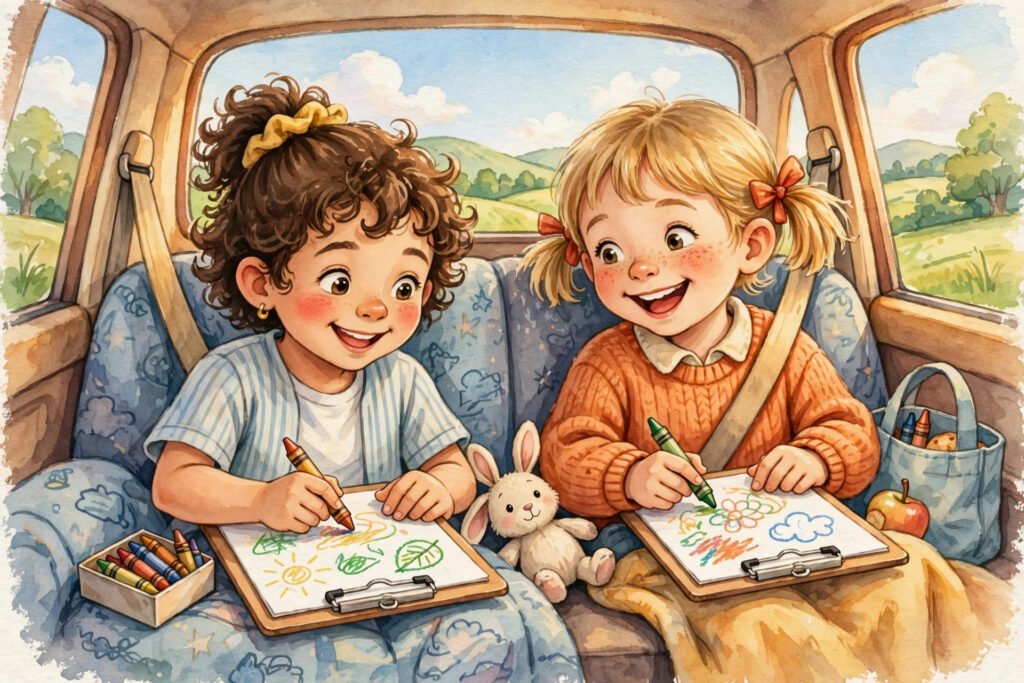
Games are where letters go from “something I saw on a page” to “something I actually know.” And the best part? You don’t need to buy a thing. Try the “letter basket”: toss a few toy animals or household objects into a basket, pull one out, and shout its starting letter together. (“Tiger — T!”) Or play “I spy a letter” on car rides: “I spy the letter S!” on a stop sign. Suddenly the whole world is an alphabet lesson.
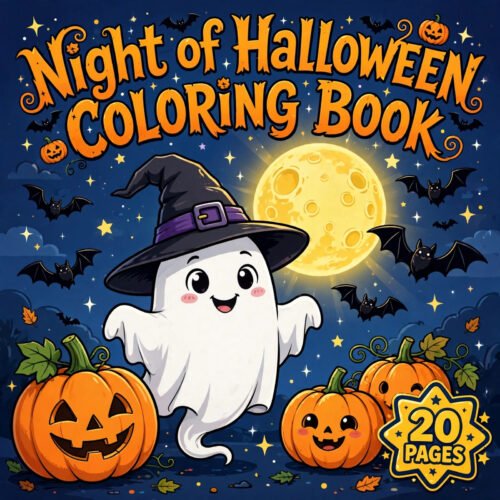
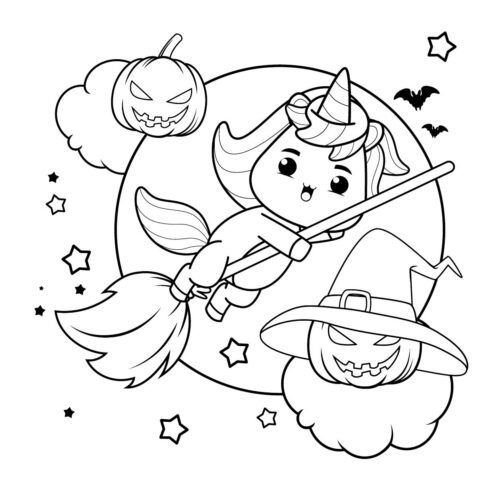
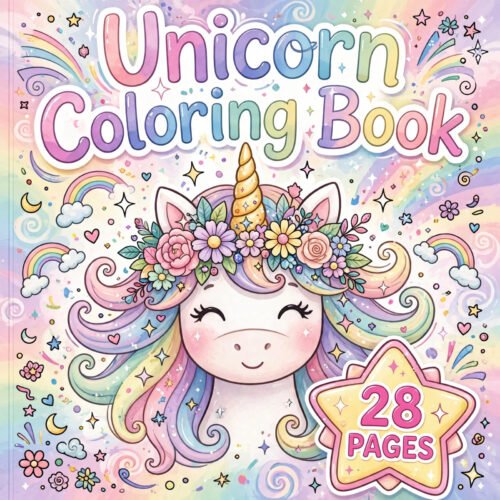
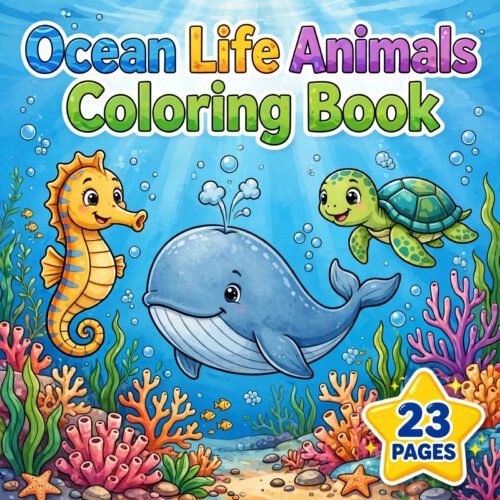
For rainy days, printable ABC games are gold. A simple letter-matching printable — where kids draw lines from letters to pictures — feels like a puzzle, not a lesson. Alphabet bingo with family members calling out sounds gets gloriously rowdy (in the best way). And if your child falls in love with the coloring pages, you can find alphabet coloring books right on our shop to keep the fun going for weeks.
Keep It Fun and Pressure-Free
Can we talk honestly for a second? The fastest way to make a preschooler hate the ABCs is to turn them into a performance. Skip the pop quizzes (“WHAT letter is THIS?!”), skip comparing with the neighbor’s kid who “already knows all her letters,” and definitely skip marathon sessions. Pressure shuts learning down; play opens it wide up.
Instead, aim for what teachers call “sprinkling” — little letter moments scattered through the day. A coloring page after breakfast. The letter-of-the-day game on the drive to preschool. Tracing one giant letter in shaving cream before bath time. Fifteen joyful minutes beat an hour of tears every single time — and your child will walk into kindergarten confident and curious instead of burned out.
Frequently Asked Questions
Most children recognize many letters between ages 4 and 5, but the normal range is wide. Focus on playful exposure rather than deadlines.
Start with uppercase — they’re simpler shapes for little eyes to recognize and little hands to trace. Introduce lowercase gradually, since that’s what your child will see most in books.
Completely normal! Singing the song is memorization; recognizing individual letters is a separate skill that grows with visual practice like coloring pages and matching games.
Ten to fifteen minutes max for preschoolers. Short, happy sessions build stronger memories than long, forced ones. Always stop while your child is still having fun.
Both have their place, but printables win for hands-on learning — coloring and tracing build fine motor skills that screens simply can’t. Plus: no ads, no in-app purchases, and no battles over screen time.
That’s okay! Keep reading picture books together daily — it’s the single best thing you can do for early literacy. Interest in letters usually follows on its own, and pushing too early can backfire.