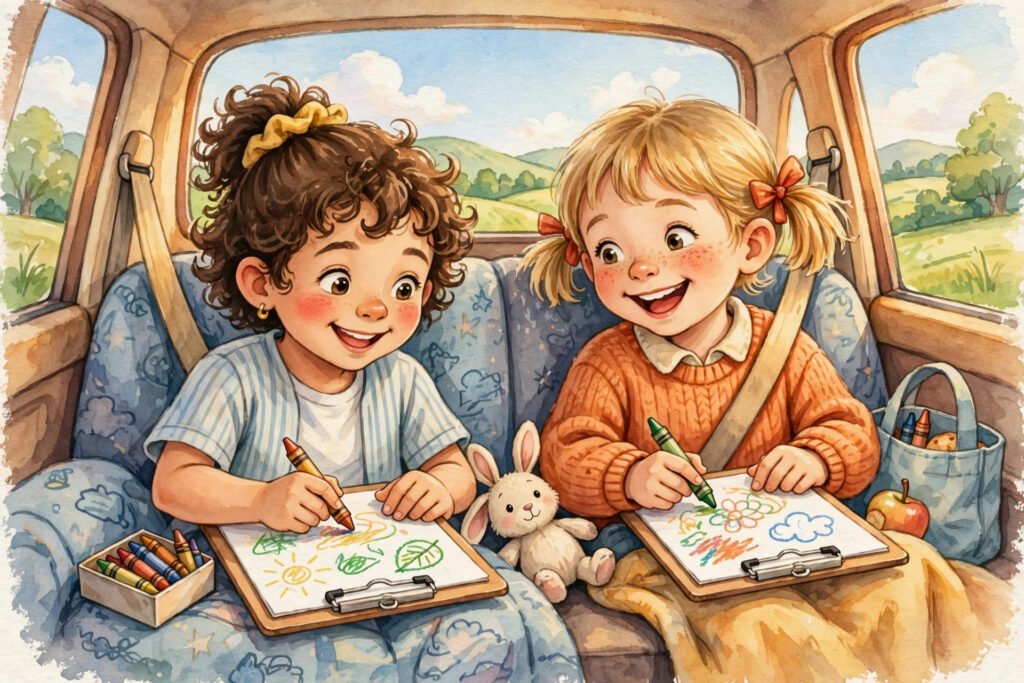
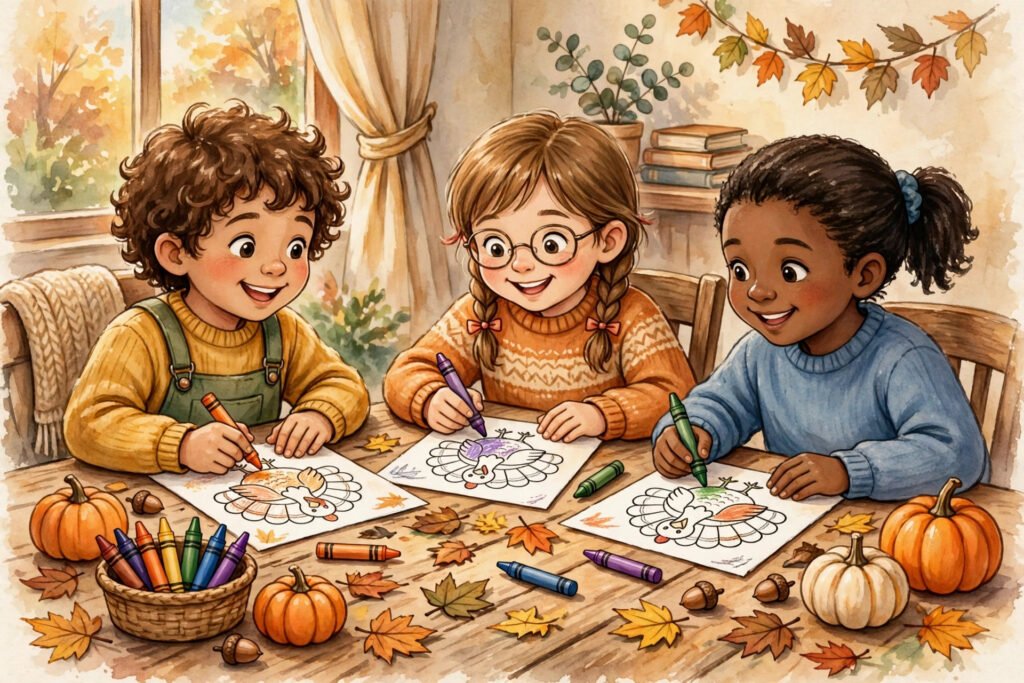
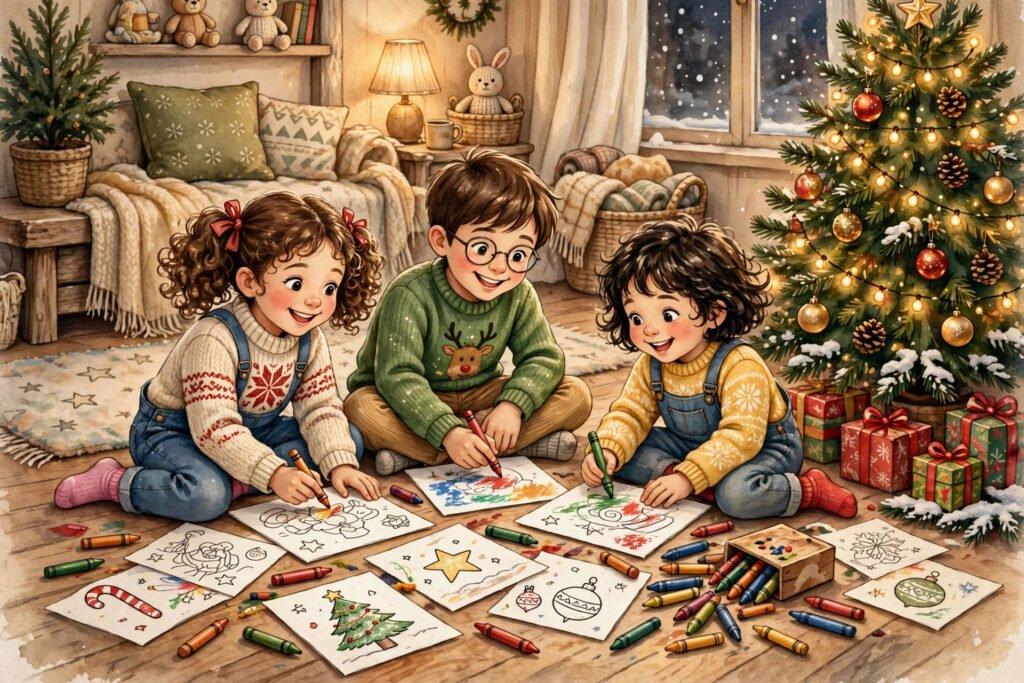
Quick Answer: Start with just three to five basic colors and say their names out loud while your toddler colors. Repeat the same colors every day for a week, point out colors in everyday objects, and turn it into simple games like finding something red. Most toddlers grasp their first colors between 18 months and 3 years through playful, pressure-free repetition.
Table of Contents
- Why Colors Click Through Coloring
- When to Start Teaching Colors
- The 5-Color Method That Actually Works
- 4 Coloring Games That Make Colors Stick
- Mistakes That Slow Color Learning Down
- Frequently Asked Questions
Everything was blue. The sky? Blue. A banana? Also blue, apparently. My two-year-old had exactly one color word, and she used it for everything she saw.
If that sounds familiar, take a breath. Your toddler is not behind, and you do not need flashcards, apps, or a teaching degree to fix it. You just need crayons, some paper, and about ten relaxed minutes a day.
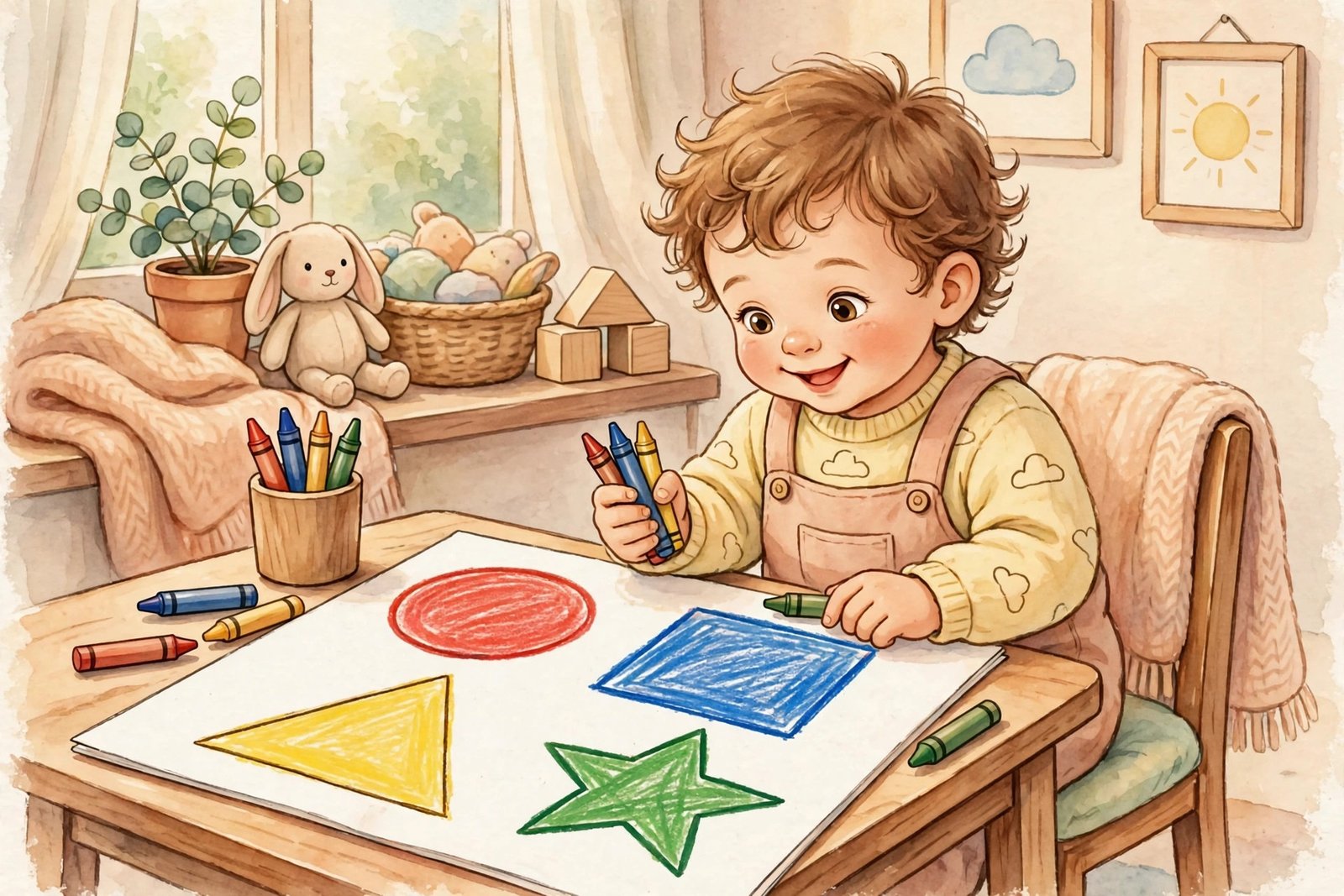
Here is the good news: one of the simplest tools for teaching colors is probably already in your kitchen drawer. Coloring pages turn color learning into something toddlers genuinely want to do — no drilling, no tears, just coloring with a little smart narration from you.
Why Colors Click Through Coloring
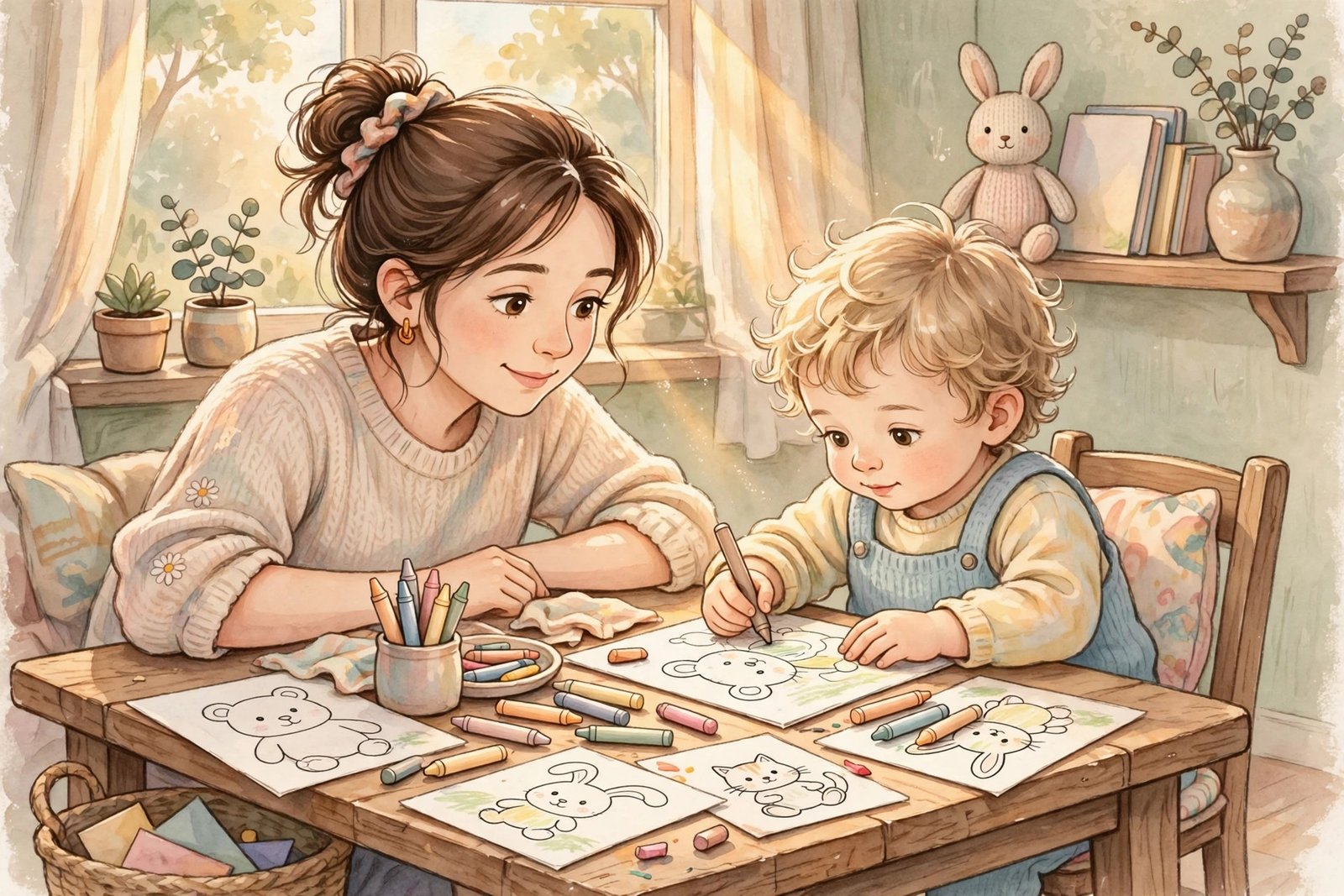
Toddlers do not learn colors by being told. They learn by connecting a word to something they can see and touch, over and over, until it sticks. That is exactly what happens when a little hand pushes a red crayon around a circle while a parent says “red, red, red.”
Coloring solves the biggest problem with teaching colors: boredom. A toddler will not sit through ten minutes of flashcards. But that same toddler will happily color for ten minutes straight. Every stroke is another repetition of the color name, and they do not even notice they are learning.
There is a bonus too. Coloring builds the fine motor skills toddlers need for writing later. So while your child learns the sun is yellow, those little fingers are also getting stronger.
When to Start Teaching Colors
Most toddlers start noticing colors around 18 months, and many can name a few by age two or three. But there is a wide range of normal here, so do not watch the calendar too closely. Watch your child instead.
Look for these readiness signs: your toddler points at things and babbles about them, shows interest when you name objects, or starts sorting toys by how they look. If you see any of that, they are ready to start hearing color words on purpose.
And if your three-year-old still calls the grass blue? Completely normal. Color naming is a later toddler milestone. Keep it playful and short, and trust the repetition is working even when it does not look like it.
The 5-Color Method That Actually Works
Forget trying to teach all eleven basic colors at once. That overwhelms toddlers and frustrates parents. Instead, start with just five: red, yellow, blue, green, and orange. These are the easiest to tell apart, and they show up everywhere in a toddler’s world.
Begin with red, yellow, and blue for the first week or two. Color red things together — apples, fire trucks, hearts. Narrate everything: “I am coloring the apple red. Can you find the red crayon?” Then add green and orange once the first three feel familiar.
The real secret is narration, not instruction. Just say color names constantly while you color together: “You picked the yellow crayon! Yellow like the sun!” Color words stick fastest when tied to something the child is doing with their own hands.
4 Coloring Games That Make Colors Stick
Once the basics are in, games lock colors into long-term memory. These four take almost no setup:
1. Color of the day. Pick one color each morning. Wear something that color, eat something that color, and color one page using mostly that color. By dinner, your toddler will own it.
2. I-spy coloring. While coloring, pause and say, “I spy something green in this room!” Let them hunt for it. This connects the coloring page to the real world, which is where color knowledge actually lives.
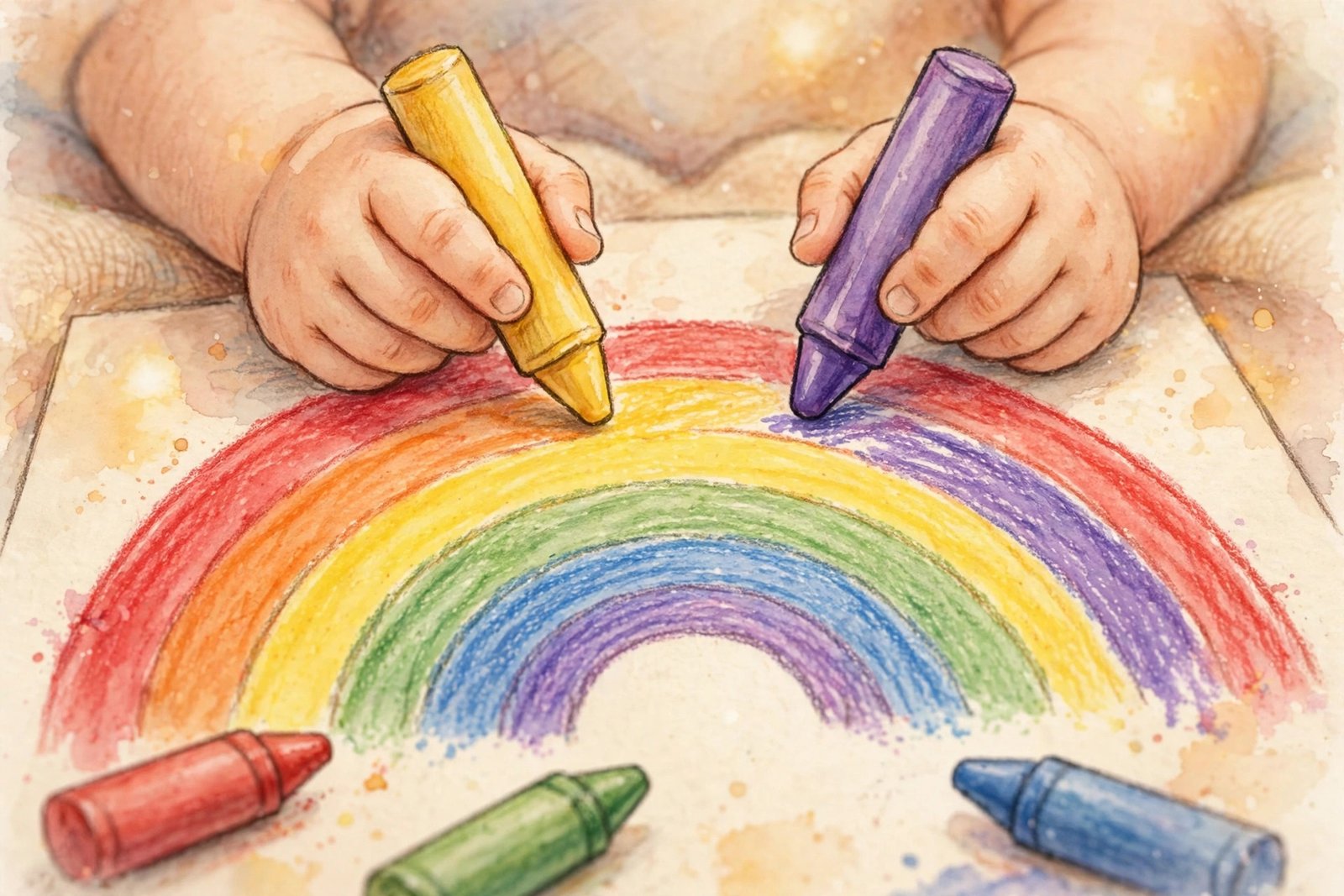
3. Crayon sorting. Dump the crayons on the table and sort them into piles by color together. This is secretly a matching and categorizing lesson, and toddlers love it.
4. Snack matching. Color a red apple on the page, then eat a real red apple slice. Silly? Yes. Memorable? Extremely.
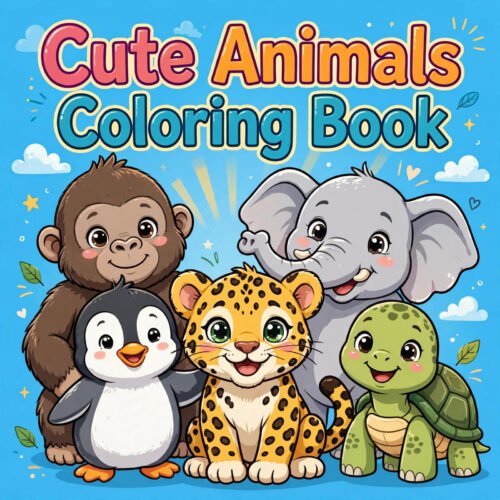
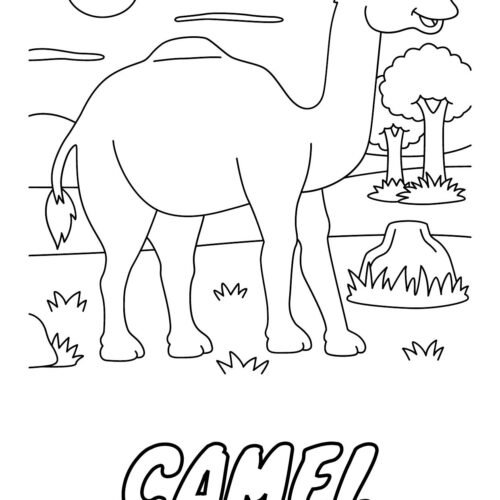
These games need no fancy supplies. Printable coloring pages with big, simple shapes work perfectly — bolder outlines are easier for little hands. The Cute Animals Coloring Pages Pack is a great pick because animals spark natural color talk: brown bears, green frogs, yellow chicks.
You can browse all the printable options in one place at the shop. Print a small stack, keep them in a folder, and you will always have a five-minute color lesson ready.
Mistakes That Slow Color Learning Down
Most parents make the same three mistakes, and all of them come from a good place.
Mistake one: turning it into a quiz. “What color is this? What color is THIS?” feels like teaching, but to a toddler it feels like a test. Tests create pressure, and pressure shuts learning down. Narrate instead of quiz — say the color names yourself and let your child echo when ready.
Mistake two: introducing too many colors at once. Showing all twelve crayons and naming each one is too much input. Stick to your five starter colors until your toddler names at least three of them confidently. Then add the rest gradually.
Mistake three: correcting every mistake. If your toddler colors the sun purple, smile and keep going. They are two. The goal right now is joyful exposure to color words, not accuracy. Accuracy comes later, on its own, once the foundation is there.
Frequently Asked Questions
Most name a few colors between two and three, but the range is wide — some at 18 months, others near four. Consistent, playful exposure matters far more than the exact age.
Completely normal. Many toddlers latch onto one favorite color word first and use it for everything. Keep modeling the other color names while coloring together, and the rest will follow within a few months.
Gently, and not every time. A light “Almost — that’s actually green!” is fine occasionally. But constant correction turns coloring into a test. Aim for about 90 percent encouragement and 10 percent correction.
For toddlers, yes. Physical coloring involves touch and grip that screens cannot replicate. Screens name colors for the child, while coloring pages invite you to narrate — and your voice is the best teaching tool.
Ten to fifteen minutes is plenty for a toddler. Stop while it is still fun, not when your child is restless. Two short happy sessions beat one long cranky one every time.
Start with red, yellow, and blue, then add green and orange. These five are visually distinct and appear constantly in everyday objects, which gives your toddler endless real-world practice.