Quick Answer: Worksheets build fine motor skills by giving preschoolers repeated, playful practice with the small hand muscles they need for writing. Tracing strengthens pencil grip, mazes teach controlled steering, dot-to-dot builds hand-eye coordination, and cutting lines develops bilateral coordination. Just 10–15 minutes of worksheet play a day makes a real difference before kindergarten.
Table of Contents
- What Are Fine Motor Skills, Really?
- Tracing: The Pencil-Grip Builder
- Mazes: Steering With Control
- Dot-to-Dot: Connect, Count, Control
- Cutting Lines: Scissor Skills That Matter
- Coloring Within the Lines: The Classic That Works
- Frequently Asked Questions
If your preschooler holds a crayon like a hammer instead of a pencil, take a deep breath — you’re not alone, and nothing is wrong. Most three- and four-year-olds are still figuring out those tiny hand muscles. But with kindergarten around the corner, it’s natural to wonder: will my child be ready to write?
Here’s the reassuring truth: fine motor skills aren’t built in a day, but they are built through play. And one of the simplest, most effective tools you have is sitting in your printer tray — worksheets. Done right, worksheet time feels like fun, not homework, and it quietly trains exactly the muscles little hands need.
What Are Fine Motor Skills, Really?
Fine motor skills are just a fancy name for the small movements made by the muscles in the hands, fingers, and wrists. Every time your child buttons a shirt, zips a jacket, picks up a Cheerio, or turns a page, they’re using fine motor skills. Writing is simply the most demanding version of these movements — which is why it takes years of practice.
The preschool years (ages 3 to 5) are prime time for this development. The brain and hands are learning to work as a team, and every scribble, snip, and trace strengthens the connection. Worksheets work so well because they turn this invisible practice into something visible and rewarding — your child can literally see their lines getting steadier week after week.
Tracing: The Pencil-Grip Builder
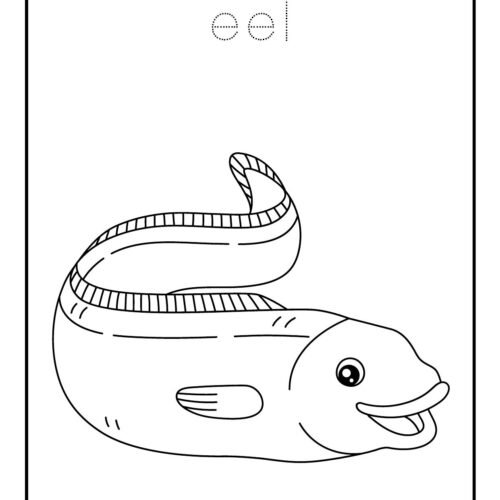
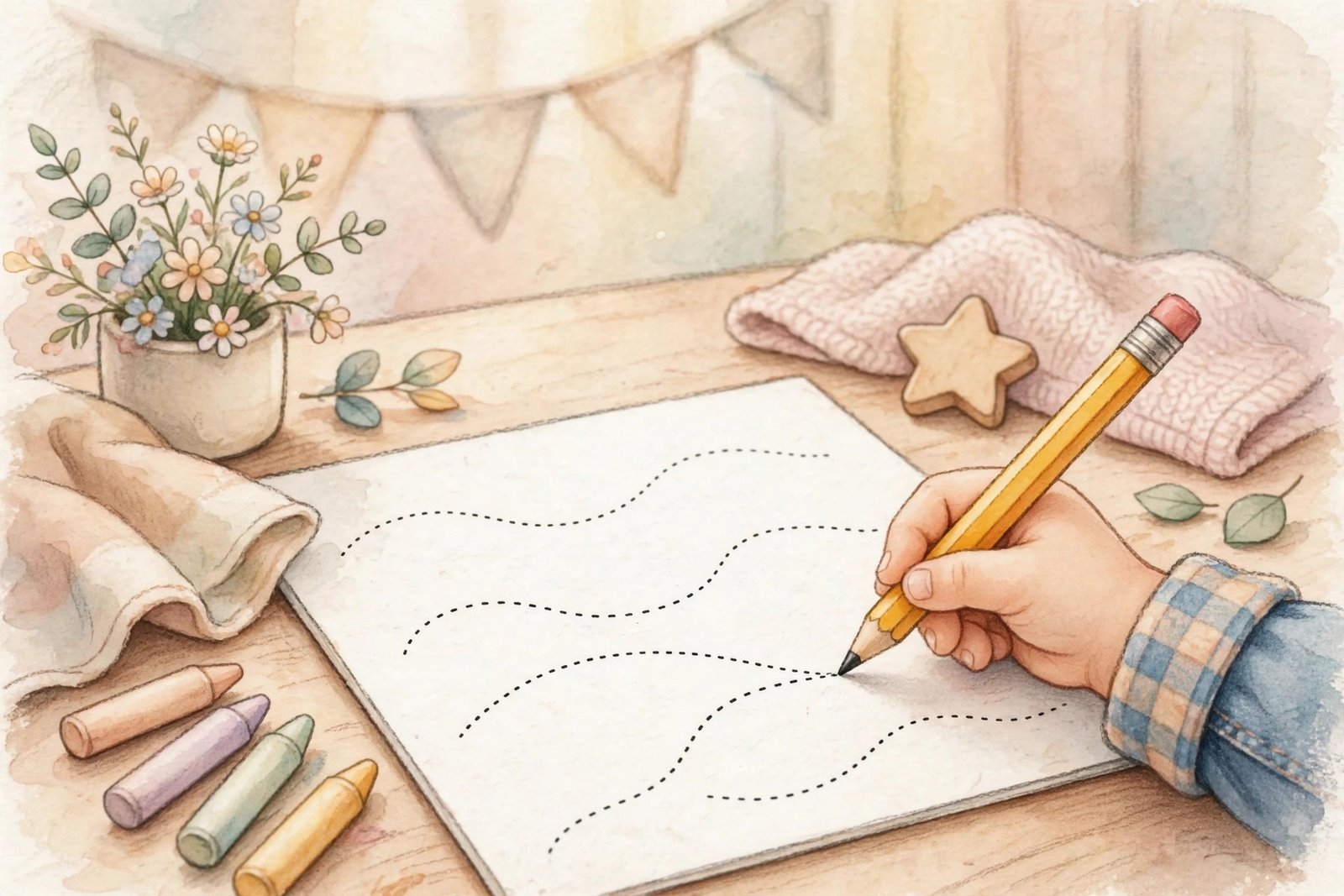
If you do only one type of worksheet, make it tracing. Tracing dotted or dashed lines teaches the tripod grip — thumb and two fingers holding the pencil — which is the foundation of all future handwriting. Start big: thick, wavy lines and simple shapes are perfect for beginners because they forgive wobbles.
Try this progression at home: week one, straight and zigzag lines; week two, circles, squares, and triangles; week three, the letters of your child’s name — nothing motivates like seeing your own name appear. Keep sessions to ten minutes, and always stop while it’s still fun.
One tip that changes everything: tape the worksheet to the table. When the paper slides around, little hands tense up trying to hold it still, and the grip suffers. A steady page means a relaxed hand — and a relaxed hand learns faster.
Mazes: Steering With Control
Mazes look like pure fun (and they are), but they’re secretly one of the best fine motor workouts around. To solve a maze, a child must steer the crayon along a path without crossing the walls — that’s sustained control, planning ahead, and self-correction all in one activity.
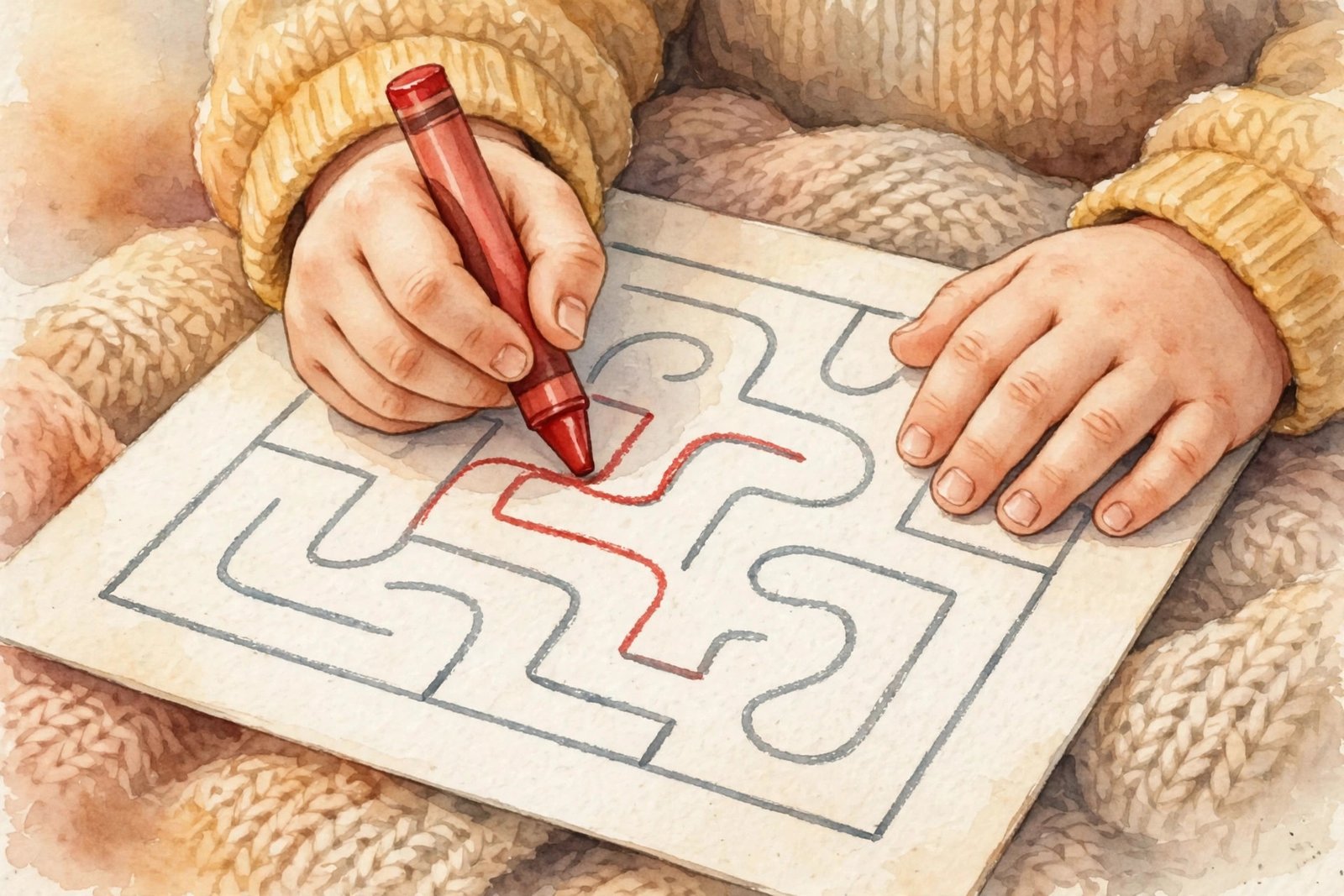
Start with wide, simple mazes with a clear start and finish — a bunny finding its carrot works wonders. As your child improves, move to narrower paths and trickier turns. If they keep bumping into walls, that’s not failure; that’s the learning happening. Resist the urge to grab the crayon and show them — struggling through is the workout.
For an extra challenge, try “finger mazes” first — trace the path with a finger, then repeat with a crayon. Building the mental map first makes the second try feel like a victory.
Dot-to-Dot: Connect, Count, Control
Dot-to-dot worksheets are a triple win: they build hand-eye coordination, sneak in counting practice, and end with the magic moment of a hidden picture appearing. That surprise reward keeps preschoolers coming back — and every page is another round of controlled line-drawing practice.
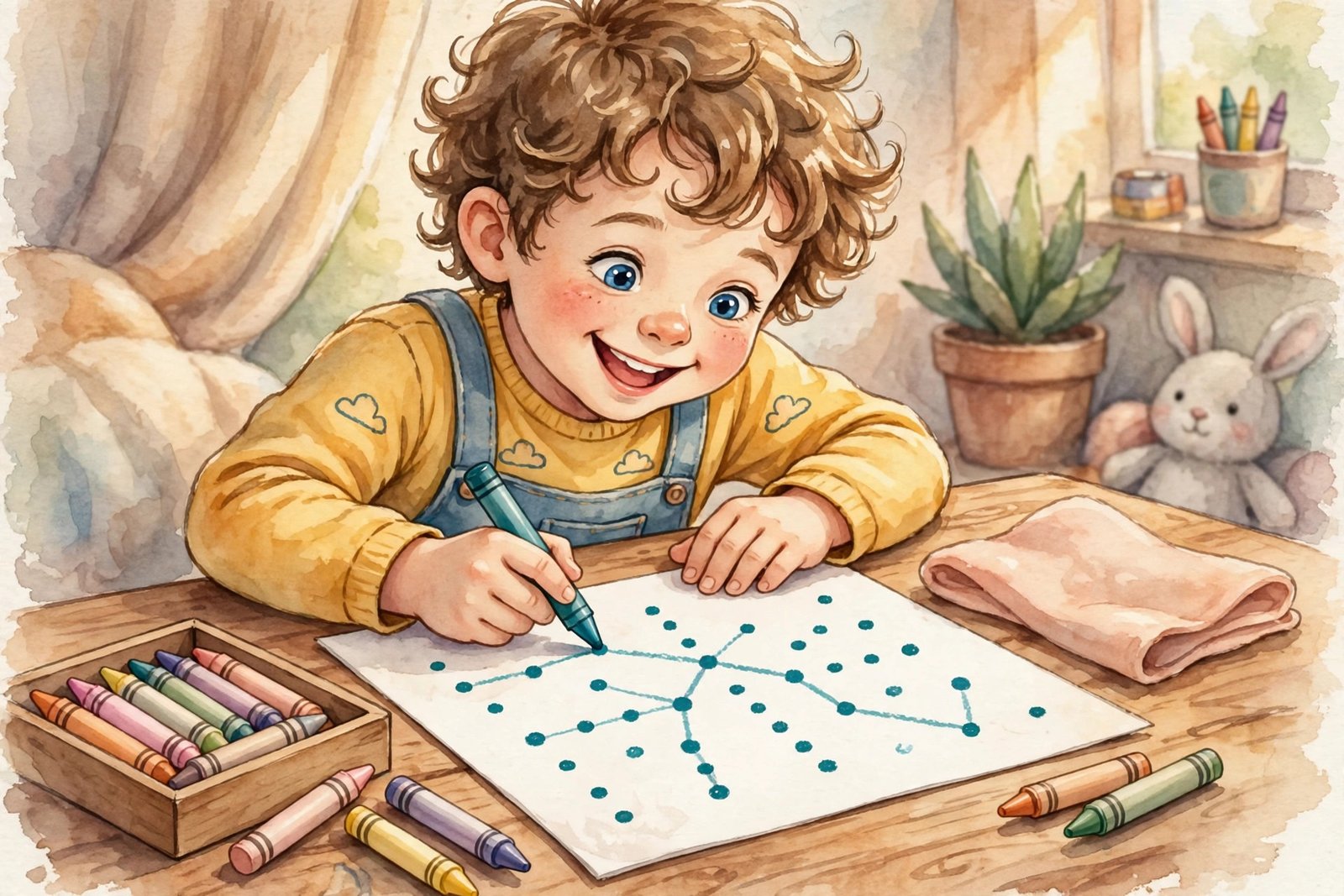
Begin with dot-to-dots numbered 1 to 10 with large, well-spaced dots. The key skill here isn’t just connecting — it’s lifting and re-placing the pencil with intention, which trains precision. As numbers get higher (1 to 20, then 1 to 30), the lines get longer and the control demand grows naturally.
Make it a game: “Can you find number 7?” or “What do you think the mystery picture will be?” When the picture emerges — a star, a puppy, a rocket — celebrate it. That pride is what turns practice into a habit.
Cutting Lines: Scissor Skills That Matter
Cutting is the unsung hero of fine motor development. It requires both hands to do different jobs at once — one hand steers the paper while the other opens and closes the scissors. Specialists call this bilateral coordination, and it’s the same teamwork the hands need for tying shoes and, eventually, fluent writing.
Start with snipping: short, straight strips of paper with thick lines to cut along. Then progress to zigzags, then gentle curves. Always use child-safe scissors, and sit beside your child at first — not to do it for them, but to model the thumb-up grip and steady pace. Cutting worksheets with bold lines give clear targets and make success obvious.
Save the scraps! Gluing cut pieces into a collage doubles the fine motor practice — squeezing glue bottles and placing small pieces is wonderful hand work disguised as fun.
Coloring Within the Lines: The Classic That Works
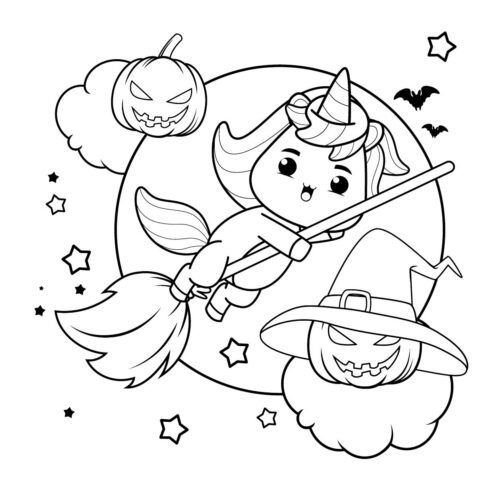
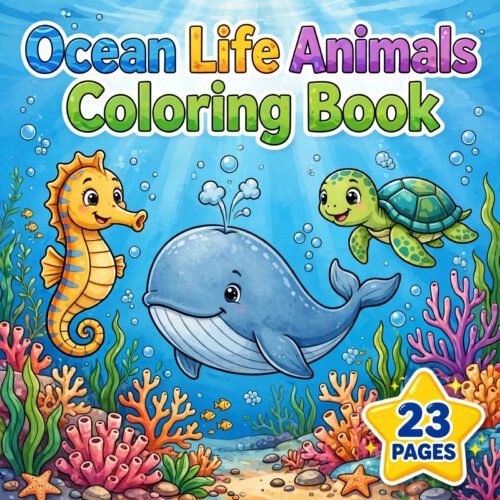
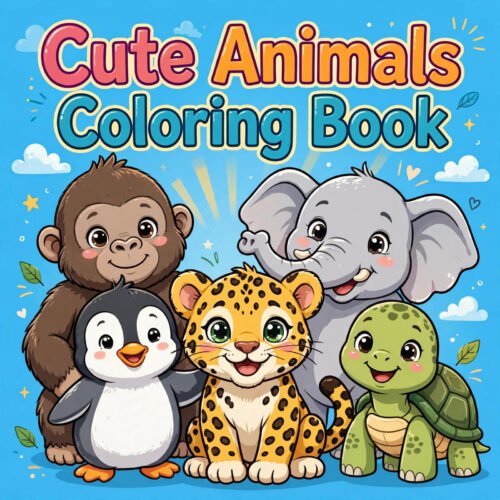
Never underestimate plain coloring. Staying inside the lines demands grip endurance (coloring a whole page takes stamina), pressure control (not too light, not tearing the paper), and direction changes at every curve. It’s the marathon training of fine motor skills — and most kids will happily do it for far longer than any “exercise.”
Choose pages that match your child’s level: big simple shapes for beginners, busier scenes as control improves. And when you’re ready for a full set of activities in one place, the Kids Fun Worksheets Activity Pack bundles tracing, mazes, dot-to-dot, and puzzles into 20 printable pages — you can grab it and more at our shop.
A lovely ritual: color together. When your child sees you concentrating on staying in the lines, coloring becomes connection time — and children imitate the careful grip they see. Ten unhurried minutes of coloring together beats thirty distracted minutes alone.
Frequently Asked Questions
Simple tracing and coloring can start around age 3, when most children can hold a crayon with fingers rather than a full fist. Mazes and dot-to-dot typically click between 3.5 and 4.5. Follow your child’s interest — readiness matters more than the calendar.
Ten to fifteen minutes is the sweet spot. Short, happy sessions build skills far better than long, forced ones. If your child begs for “one more page,” that’s the perfect time to say yes — enthusiasm is the best teacher.
Drop the tracing for now and try mazes or dot-to-dot — different activities train the same muscles. Also check the difficulty: oversized lines and a thicker crayon make early tracing much easier. Come back to tracing in a few weeks; it often clicks suddenly.
For hand development, yes. Apps train finger-tapping, but they can’t build pencil grip, pressure control, or scissor skills — those need real tools in real hands. Screens have their place, but paper and crayons remain unbeatable for fine motor growth.
Look for these signs: holding a pencil with three fingers (not a fist), copying simple shapes like circles and crosses, cutting along a straight line, and coloring mostly inside the lines. If most of these are emerging by age 5, you’re right on track.
Reuse them! Repeating a favorite page lets children feel their own progress — “look how much neater it is this time!” Mastery builds confidence, and confidence builds skills.